understanding safety padlock quotation: key factors and considerations
Release time:2026-03-14 23:52:40
In the realm of workplace safety, the significance of effective lockout/tagout (LOTO) procedures cannot be overstated. Among the many tools that contribute to ensuring safety during maintenance and servicing of machinery, safety padlocks play a critical role. If you are considering purchasing safety padlocks, understanding the factors that influence their quotation is essential. This article will delve into the key components that affect safety padlock quotations and provide insights into how to navigate the procurement process for optimal results.
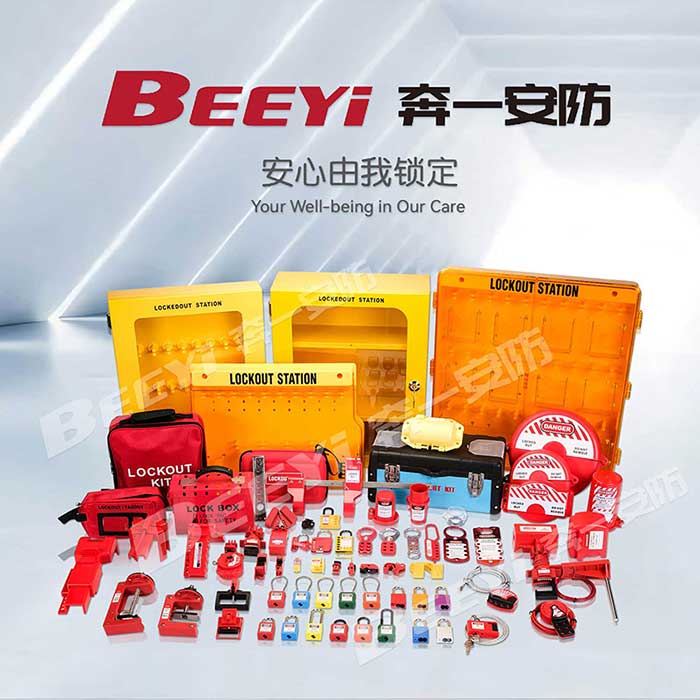
Safety padlocks are uniquely designed to prevent unauthorized access to machinery during maintenance work, safeguarding workers from potential hazards. These padlocks are often made from durable materials such as nylon or aluminum, featuring distinct characteristics that set them apart from standard locks. When soliciting quotations for safety padlocks, it's vital to consider the various aspects that can influence the final price.
1. Material and Design
The material used in manufacturing safety padlocks is one of the primary factors affecting their quotation. Common materials include heavy-duty nylon, which is known for its resilience and resistance to harsh environments, and aluminum, which offers a balance of lightweight design and strength. The specific design of the padlock also plays a role—models that incorporate non-conductive features for electrical safety or stainless steel shackles for enhanced strength may carry a premium. Buyers should assess their specific safety requirements to choose the appropriate material and design, as this can impact both initial costs and long-term performance.