understanding loto tags: enhancing workplace safety through effective lockout/tagout procedures
Release time:2026-03-15 07:26:58
In today's rapidly evolving industrial landscape, workplace safety is a paramount concern for both employers and employees. One critical safety measure that has gained prominence in various sectors, particularly in manufacturing and maintenance environments, is the Lockout/Tagout (LOTO) procedure. Central to the implementation of LOTO protocols are LOTO tags, which serve as essential tools for safeguarding workers during equipment maintenance or repair activities. This article aims to delve into the significance, application, and best practices associated with LOTO tags.
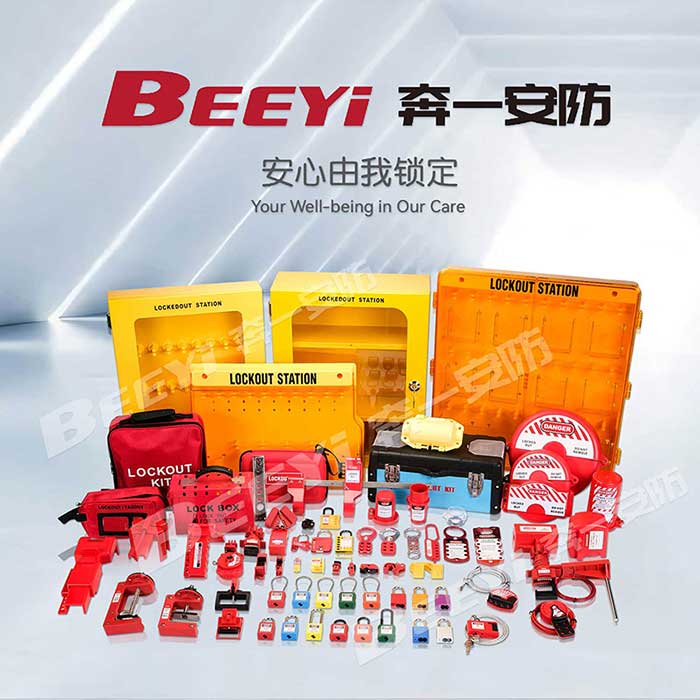
The Importance of LOTO Tags
The primary purpose of LOTO tags is to communicate the status of machinery and prevent accidental energy release during maintenance activities. When correctly employed, these tags ensure that equipment remains in a safe, non-operational state, drastically reducing the risk of workplace accidents. The Occupational Safety and Health Administration (OSHA) has emphasized the importance of LOTO procedures, making compliance with these regulations crucial for organizations across various industries.
LOTO tags convey vital information about the equipment being serviced, including who is performing the maintenance, when it started, and any specific warnings related to the task at hand. By clearly identifying machinery that is under repair, LOTO tags help maintain a culture of safety and accountability in the workplace.