understanding the role of oem safety padlock suppliers in workplace safety
Release time:2026-03-16 11:03:57
In today’s industrial and commercial sectors, ensuring the safety of workers and preventing accidents during maintenance or repair procedures are top priorities. One of the most effective ways to ensure safety in these environments is through Lockout/Tagout (LOTO) procedures, which involve the use of safety padlocks to control hazardous energy. This is where OEM (Original Equipment Manufacturer) safety padlock suppliers come into play. These suppliers provide essential tools and products that help businesses meet safety standards while minimizing risks. In this article, we will explore the significance of OEM safety padlock suppliers and how their products contribute to enhancing workplace safety.
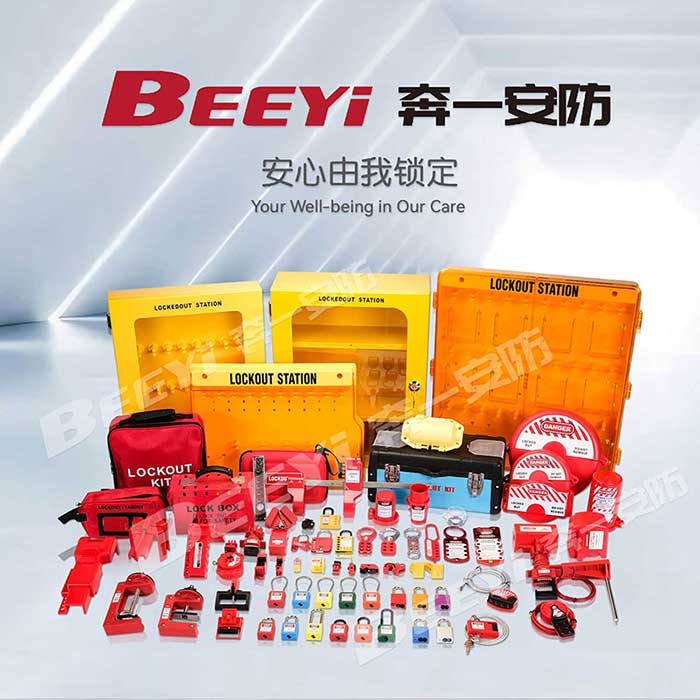
The Importance of OEM Safety Padlocks
OEM safety padlocks are specifically designed to meet the rigorous safety requirements of industrial environments. These padlocks are critical in the lockout/tagout procedures, which are used to prevent accidental machine start-ups during maintenance. Without proper lockout systems in place, workers may be exposed to dangerous and potentially fatal situations. OEM safety padlocks are used to isolate energy sources, ensuring that machines cannot be operated while workers perform maintenance or repair tasks.
The primary role of safety padlocks is to protect workers from electrical, mechanical, hydraulic, and other types of energy hazards that could cause accidents or injuries. These padlocks, combined with the use of safety tags, effectively communicate to all personnel that a machine is under maintenance and must not be operated. Through the use of these systems, businesses can comply with safety regulations such as OSHA (Occupational Safety and Health Administration) and ANSI (American National Standards Institute) standards, ensuring that they provide a safe working environment.