understanding lockout hasps application in industrial safety
Release time:2026-03-26 21:02:57
In today's industrial landscape, workplace safety is paramount. One critical component of ensuring safety during maintenance and repair operations is the effective use of Lockout Hasps. These devices play a vital role in the lockout/tagout (LOTO) process, designed to prevent accidental machine startup or the release of hazardous energy. In this article, we will explore the applications, benefits, and best practices associated with Lockout Hasps.
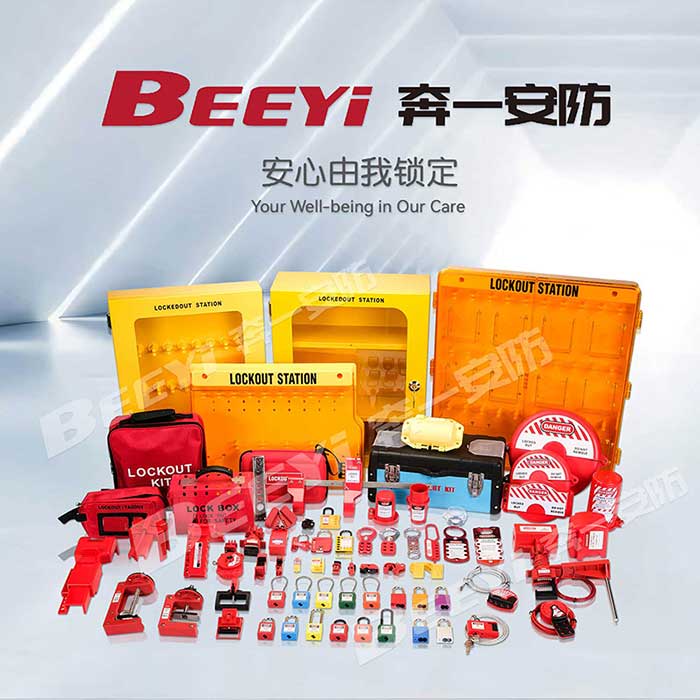
What are Lockout Hasps?
Lockout Hasps are secure locking mechanisms used to isolate energy sources, making it impossible to operate a machine or equipment while maintenance is being performed. They are typically constructed from durable materials resistant to wear and corrosion, ensuring longevity even in harsh industrial environments. A Lockout Hasp consists of a steel or plastic body with multiple locking points, allowing several locks to be attached simultaneously.
Applications of Lockout Hasps
Manufacturing Plants: In manufacturing environments, Lockout Hasps are crucial for safely maintaining machinery like conveyor belts, lathes, and presses. Maintenance teams often need to work simultaneously on the same machine; Lockout Hasps facilitate this by allowing multiple workers to individually lock out a device, ensuring that no one can inadvertently reactivate it.