the importance of loto safety padlock in workplace safety
Release time:2026-03-27 07:50:53
In industrial settings, the safety of workers is a top priority. Accidents caused by accidental machine startups during maintenance, cleaning, or repair operations are a major hazard that can lead to severe injuries or fatalities. To prevent such incidents, the Lockout/Tagout (LOTO) safety program has become an essential protocol in ensuring the safety of employees. A key component of this program is the LOTO safety padlock. This small but vital tool plays a significant role in minimizing risks and maintaining a secure work environment.
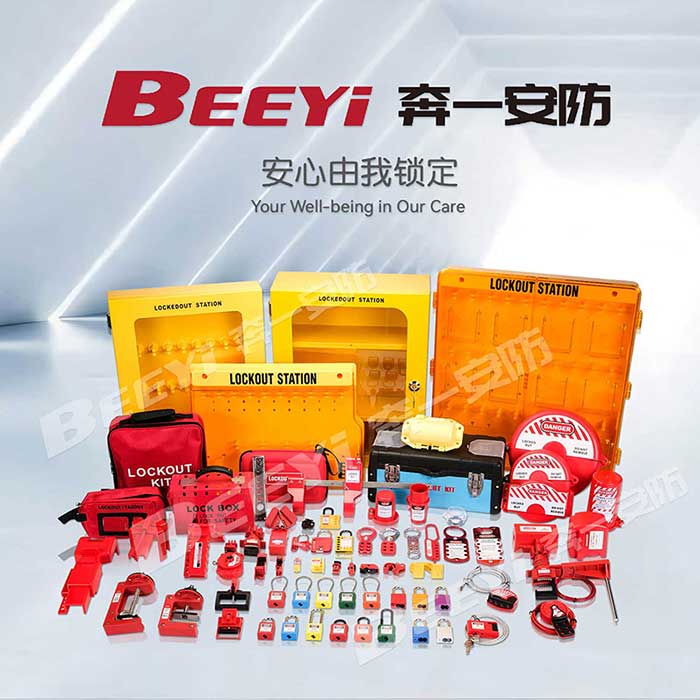
What is a LOTO Safety Padlock?
A LOTO safety padlock is a specialized locking device used in industrial safety programs to control access to machines or equipment during maintenance or repair. The purpose of the padlock is to ensure that no one can accidentally turn on machinery or equipment while it is being worked on, thereby protecting maintenance workers from potential harm.
The LOTO safety padlock is typically used as part of the larger LOTO safety procedure, which involves locking out energy sources (e.g., electrical, mechanical, hydraulic, or pneumatic) to prevent the release of hazardous energy during maintenance tasks. The padlock serves as a physical barrier, preventing unauthorized personnel from operating the equipment while it is locked for maintenance. In addition to the lock itself, a tag is often attached to the lock to indicate who is responsible for the lockout and what work is being done.