lockout hasps application: ensuring workplace safety through lockout/tagout procedures
Release time:2026-03-27 14:20:53
In industrial environments, safety is of paramount importance, and one of the most effective ways to ensure the protection of workers is through Lockout/Tagout (LOTO) procedures. One key component of these procedures is the use of Lockout Hasps, which provide a reliable and practical solution to prevent machinery from being accidentally energized or started during maintenance and repair. This article will explore the application, significance, and best practices of Lockout Hasps in industrial safety.
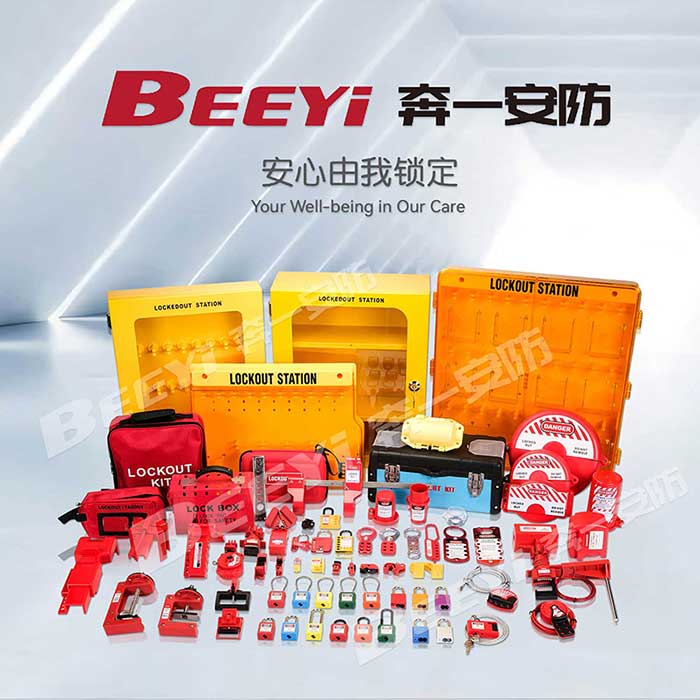
What are Lockout Hasps?
Lockout Hasps are mechanical devices used to isolate energy sources in industrial machinery and equipment. These devices are designed to lock an energy-isolating device, such as a circuit breaker or valve, in the "off" or "safe" position to prevent any accidental operation during maintenance or repair. Lockout Hasps allow multiple workers to place their own locks on a single energy-isolating point, ensuring that no one can unlock the equipment until all workers are finished and accounted for.
The Role of Lockout Hasps in Workplace Safety
The primary function of Lockout Hasps is to provide a safeguard against the accidental release of hazardous energy, which could result in severe injuries or fatalities. In industrial settings, equipment and machinery can contain multiple sources of potential energy, including electrical, mechanical, hydraulic, pneumatic, and thermal energy. When workers are engaged in maintenance tasks, these energy sources need to be controlled to avoid accidental startup or release of stored energy.