understanding lockout hasps: a key element of workplace safety
Release time:2026-03-27 16:07:22
In industrial settings, the safety of workers is of utmost importance. Among various tools and practices designed to ensure a secure working environment, Lockout Hasps play a pivotal role. These devices serve as a crucial component in energy isolation and lockout/tagout (LOTO) procedures, which are designed to prevent accidents and injuries while workers perform maintenance or repairs on machinery and equipment. In this article, we will explore what Lockout Hasps are, their functionality, benefits, and best practices for use.
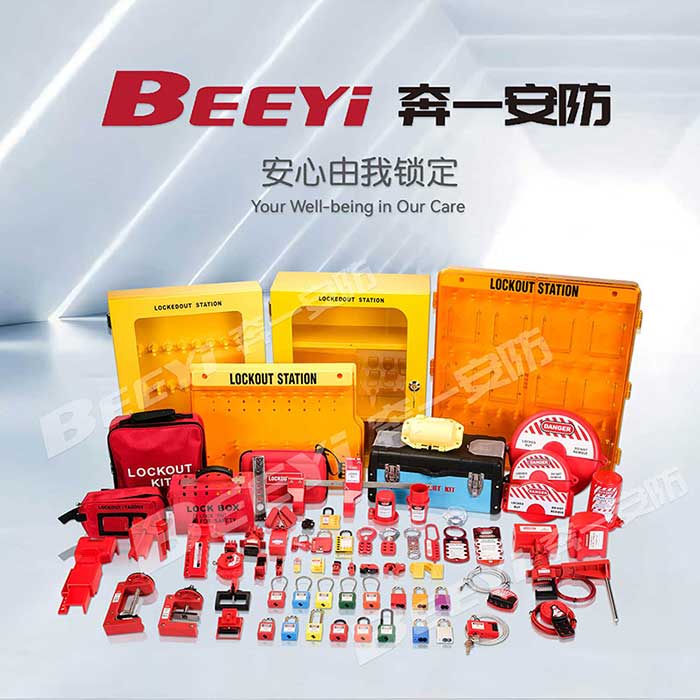
What are Lockout Hasps?
Lockout Hasps are devices that allow multiple locks to be attached to a single energy-isolation point, such as a machine's power switch or valve. They are typically made from durable materials like steel or high-strength plastic to withstand industrial conditions. The primary function of a Lockout Hasps is to ensure that when maintenance or repair work is being done, the energy source is effectively locked out, preventing any accidental reactivation of the machinery.
How Do Lockout Hasps Work?
The operation of Lockout Hasps is straightforward yet effective: