lockout hasps factory: ensuring industrial safety through precision and innovation
Release time:2026-03-28 08:52:11
In industrial settings, safety is paramount. Whether it's in factories, chemical plants, or energy facilities, ensuring the safety of workers during maintenance or repair tasks is a critical concern. This is where Lockout Hasps come into play. These small but powerful tools are integral to industrial safety, preventing accidents caused by unexpected machine startups while workers are performing maintenance. The production of Lockout Hasps is specialized and requires high precision to meet the strict standards set for workplace safety. In this article, we will explore the role of Lockout Hasps factories, the products they manufacture, and the importance of these devices in modern industrial environments.
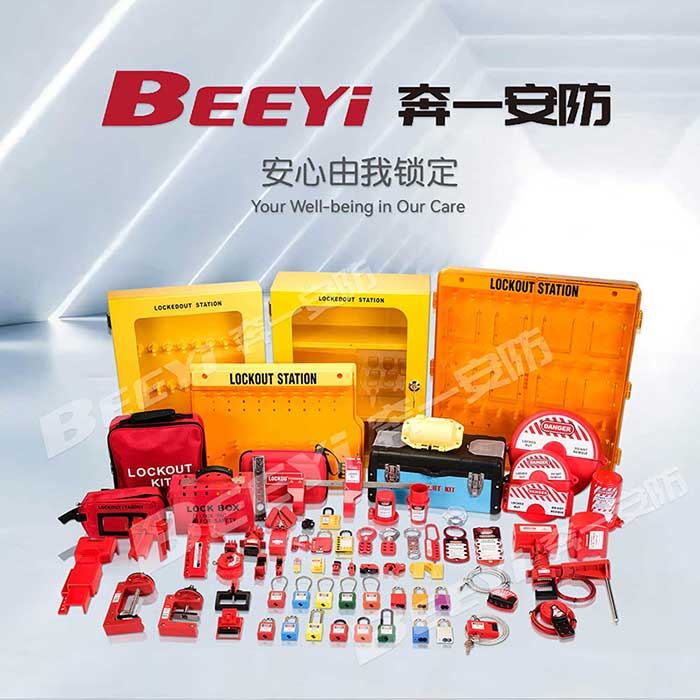
What Are Lockout Hasps?
Lockout Hasps are safety devices designed to secure machines and electrical equipment in a locked-off state to prevent accidental or unauthorized startup during maintenance. These devices are typically used in conjunction with a lockout/tagout (LOTO) program, a safety procedure used in industries to ensure that machinery is properly shut off and cannot be restarted until maintenance or repairs are completed.
The Lockout Hasp itself consists of a metal body with multiple holes, each designed to accommodate individual locks. When a machine or equipment is being serviced, each maintenance worker can place their lock on the hasp, ensuring that only those with a key can remove their lock, thus guaranteeing the safety of all personnel involved.