understanding industrial lockout hasps: ensuring safety in the workplace
Release time:2026-03-28 17:33:23
In industrial environments, safety is paramount, and one of the essential tools that facilitate this is the industrial lockout hasp. These devices play a crucial role in safeguarding workers during maintenance and repair tasks, helping to prevent accidental equipment startups that could lead to serious injuries or fatalities. This article delves into the significance, functionality, and applications of industrial lockout hasps, emphasizing their importance in the realm of occupational safety.
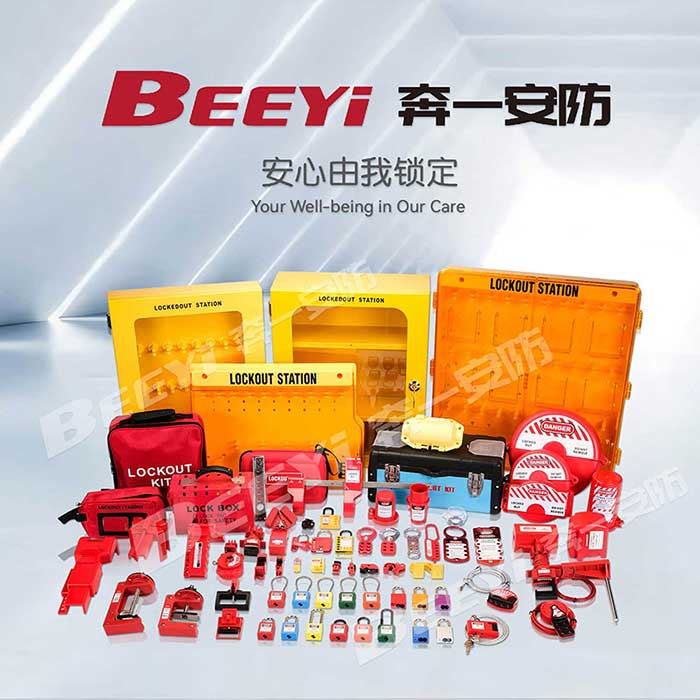
At its core, an industrial lockout hasp is a locking device that allows multiple padlocks to be attached to a single point of equipment. This design ensures that no one can operate the equipment until all locks are removed, thereby providing a clear and effective method for energy isolation. The hasp serves as a physical barrier that disables the machinery, ensuring that maintenance personnel are protected from unexpected machine movements.
One of the standout features of industrial lockout hasps is their ability to accommodate multiple padlocks. This multi-lock functionality is particularly beneficial for team projects where several workers may be involved in a maintenance operation. Each worker can apply their own lock to the hasp, ensuring that all parties have given their consent for the equipment to be serviced. Only when all locks have been removed can the equipment be reenergized, which significantly enhances safety protocols in workplaces involving heavy machinery or hazardous equipment.