valve lockout device: ensuring safety and compliance in industrial settings
Release time:2026-03-28 21:03:32
In various industrial sectors, safety is paramount, and one of the key areas of concern is the safe operation of machinery and equipment, especially during maintenance and repair. Among the many safety devices used to prevent accidental injuries, the Valve Lockout Device stands out as a crucial tool for ensuring the safety of workers. This article explores the importance of valve lockout devices, their functionality, and their role in preventing accidents in workplaces.
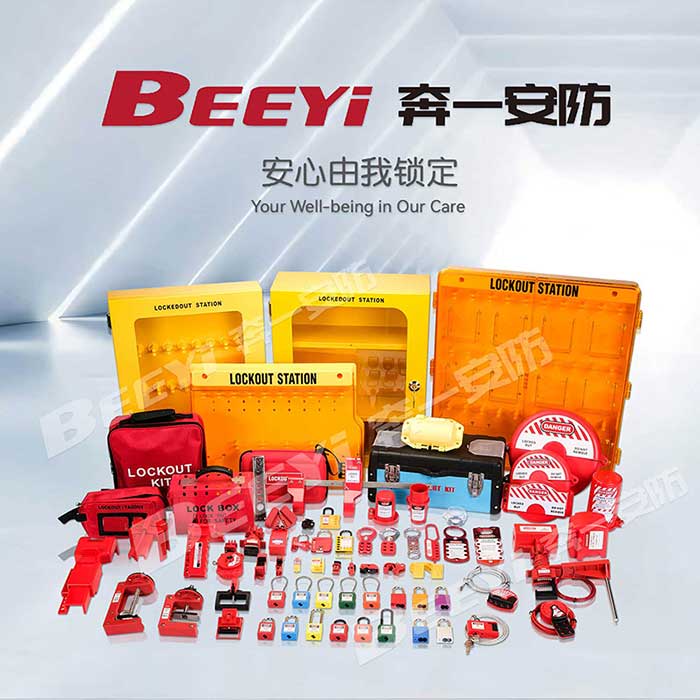
What is a Valve Lockout Device?
A Valve Lockout Device is a safety mechanism designed to prevent the accidental operation of valves during maintenance, repair, or inspection. By securely locking the valve in a specific position, the device ensures that the valve cannot be inadvertently opened or closed. Typically used in environments where hazardous materials such as chemicals, gas, steam, or electricity are present, valve lockout devices protect workers from potential harm by eliminating the risk of unexpected releases or reactions.
These devices are most commonly used in industries such as chemical manufacturing, oil and gas, utilities, and manufacturing, where valves control the flow of substances that could be dangerous if released unexpectedly. The device usually involves a lockout tagout (LOTO) system, where a lock and a tag are applied to the valve to notify workers that the valve is under maintenance and should not be operated.