understanding lockout hasps: ensuring workplace safety and compliance
Release time:2026-03-28 21:40:01
In industrial settings, safety is paramount, especially when it comes to the operation and maintenance of heavy machinery or electrical systems. One of the critical safety devices used to prevent accidental startup during maintenance or repair work is the lockout hasp. This device plays a vital role in ensuring worker safety by physically preventing machines and systems from being turned on while they are being serviced. In this article, we will explore what lockout hasps are, how they work, their applications, and their importance in workplace safety.
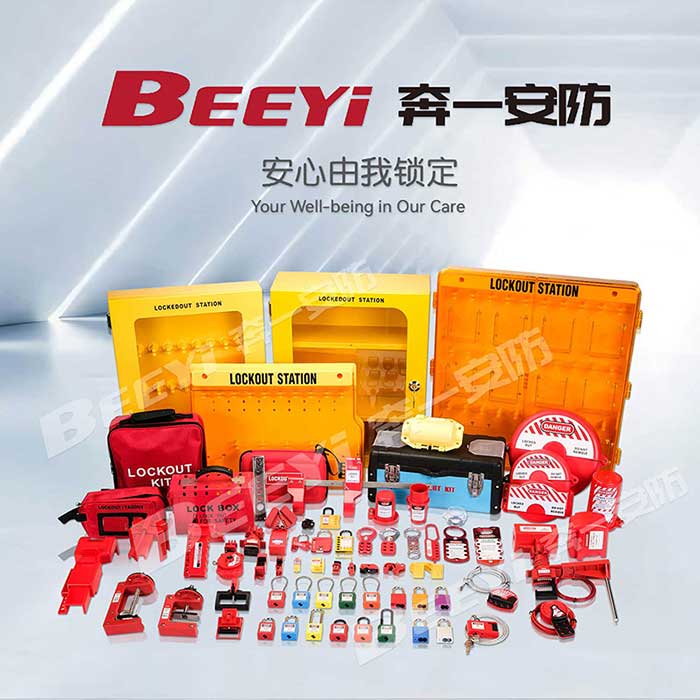
What is a Lockout Hasp?
A lockout hasp is a mechanical safety device used to isolate hazardous energy sources in machines and electrical systems during maintenance or servicing. It is typically used in conjunction with a lockout/tagout (LOTO) procedure, which is a safety protocol designed to prevent the unexpected release of hazardous energy. The lockout hasp is designed to allow multiple workers to secure a machine with their own locks, ensuring that the equipment cannot be restarted until all personnel have removed their locks.
The design of a lockout hasp typically includes a metal body with multiple locking holes that allow several padlocks to be attached. This ensures that each worker involved in the maintenance process has control over the release of their individual lock. The locking mechanism is usually simple but highly effective, preventing unauthorized operation while work is being performed.