the importance of lock out equipment in industrial safety
Release time:2026-03-30 23:51:47
In industrial environments, safety is paramount, especially when workers are dealing with hazardous equipment. One of the most critical safety measures in preventing workplace injuries during maintenance, repair, or cleaning processes is the use of lock out equipment. This equipment plays a vital role in ensuring that machinery and electrical systems cannot be accidentally activated, which could otherwise result in catastrophic accidents. This article explores the importance of lock out equipment in maintaining a safe working environment, its components, and best practices for its implementation.
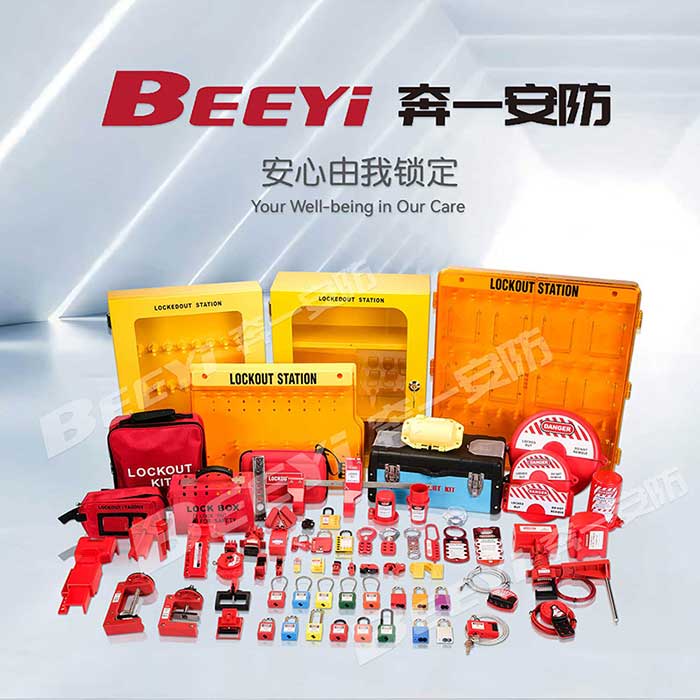
What is Lock Out Equipment?
Lock out equipment refers to a set of tools and devices used to isolate the energy sources of equipment during maintenance and repair tasks. These tools ensure that machines or electrical systems are de-energized and cannot be re-energized while workers are still in the process of servicing or maintaining them. Lock out equipment is typically used as part of a broader safety procedure known as Lockout/Tagout (LOTO), which is designed to prevent the accidental release of hazardous energy.
The LOTO procedure is essential in any workplace where equipment can potentially harm employees through unexpected startup or release of energy. In fact, the Occupational Safety and Health Administration (OSHA) mandates the use of lockout/tagout procedures in workplaces that involve machinery or electrical systems.