understanding lock out equipment: ensuring safety in the workplace
Release time:2026-04-01 08:33:25
Lock out equipment is a critical safety measure used in various industries to protect workers from accidents associated with the unexpected energization or startup of machinery and equipment. The term "lockout" refers to the practice of physically locking a machine or system in a safe position during maintenance or repair operations to prevent accidental operation. Understanding how lock out equipment works and its importance can significantly improve workplace safety and compliance with regulations.
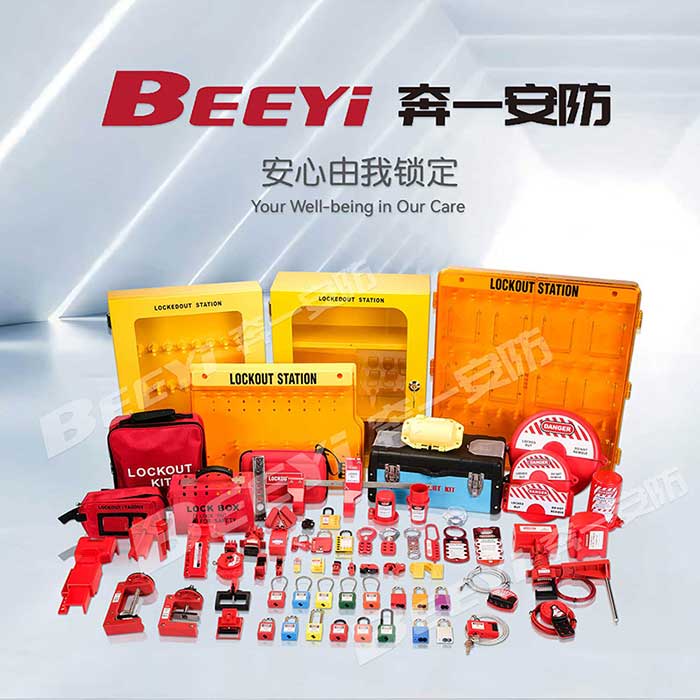
The Importance of Lock Out Equipment
Accidental machine startup during maintenance can lead to severe injuries or even fatalities. Industries that involve heavy machinery—such as manufacturing, construction, and utilities—are particularly susceptible to these risks. Lock out equipment plays a vital role in protecting workers by ensuring that machines cannot be inadvertently activated while maintenance work is being carried out.
The effectiveness of lock out equipment is significantly enhanced when accompanied by a well-defined Lockout/Tagout (LOTO) program. This program consists of protocols and procedures designed to ensure the safety of workers by controlling hazardous energy sources.