pneumatic lockouts application: ensuring safety in pneumatic systems
Release time:2026-04-02 07:31:57
Pneumatic systems are an essential part of numerous industrial operations, from manufacturing to construction, oil and gas, and beyond. These systems use compressed air to power tools, machines, and equipment, making them indispensable for various tasks. However, with the power of compressed air comes significant risk. If not properly controlled, pneumatic energy can cause severe injuries or even fatalities. This is where Pneumatic Lockouts come into play.
What Are Pneumatic Lockouts?
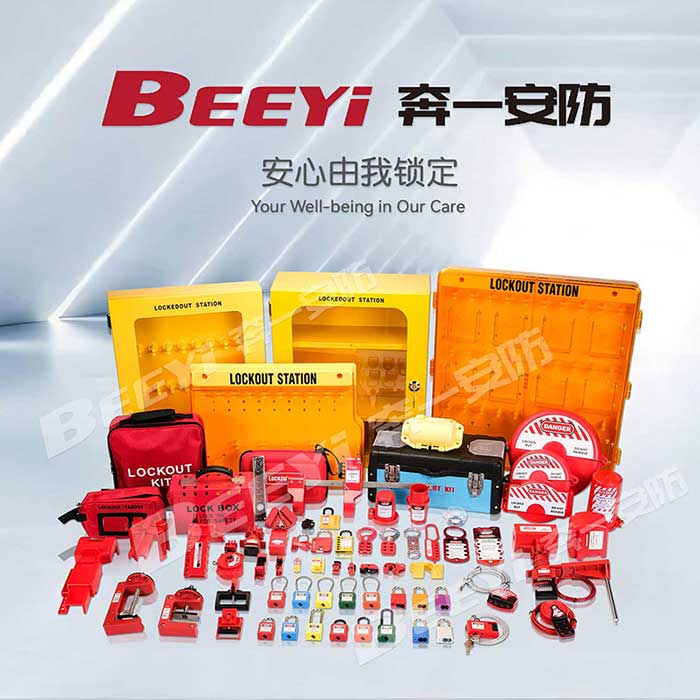
Pneumatic lockouts are safety devices designed to isolate pneumatic energy sources, preventing the accidental release of pressurized air during maintenance or repair work. These devices are part of a broader Lockout/Tagout (LOTO) program, which is crucial for ensuring the safety of workers who maintain or repair machinery and equipment. By physically locking the energy source in a neutral or off position, pneumatic lockouts ensure that no one can inadvertently start the system while it is under service.
The Importance of Pneumatic Lockouts
Pneumatic lockouts are essential for a variety of reasons, the most significant of which is safety. Compressed air, though invisible, is powerful and can cause severe injuries if it is unexpectedly released. For example, pneumatic tools such as drills, hammers, and wrenches, when activated by pressurized air, can lead to injuries ranging from minor abrasions to life-threatening accidents.