understanding industrial pneumatic lockouts: enhancing safety in pneumatic systems
Release time:2026-04-03 23:38:15
Industrial Pneumatic Lockouts are essential safety devices designed to ensure the secure isolation of pneumatic systems during maintenance, repair, or troubleshooting activities. These lockout mechanisms play a vital role in preventing the accidental release of air pressure or unintentional activation of equipment, which could potentially lead to hazardous situations for workers. The use of pneumatic lockouts is a standard practice in various industrial settings where pneumatic systems control critical processes.
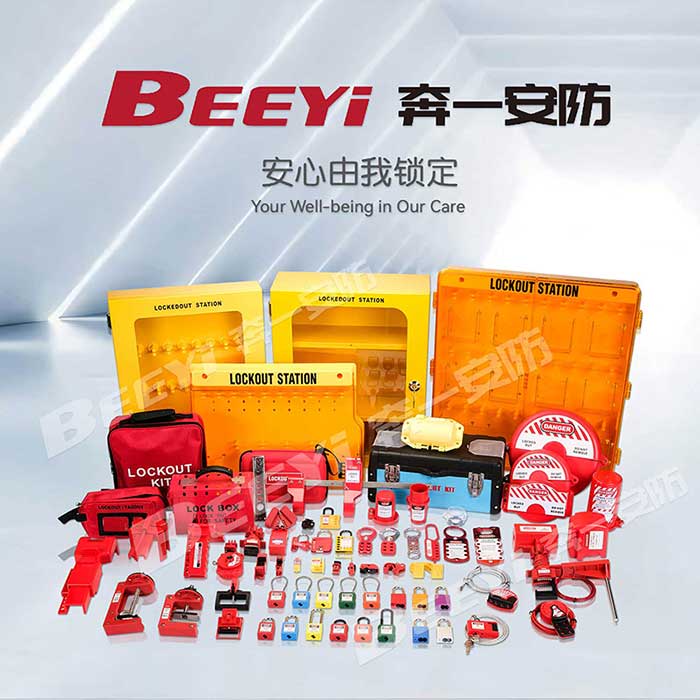
What Are Industrial Pneumatic Lockouts?
Industrial Pneumatic Lockouts are safety devices used to isolate pneumatic energy sources. They prevent the unintentional operation of pneumatic equipment by blocking air flow or ensuring that pressurized air cannot be released. In the context of industrial machinery, pneumatic systems often power various tools, actuators, and automated devices. When these systems require maintenance or repair, it is crucial that the energy is safely controlled to prevent the equipment from operating unexpectedly.
These lockout devices function by securing pneumatic valves, cylinders, or other components, making it impossible for the pressurized air to escape or trigger the equipment until the lockout is disengaged. The goal is to ensure that workers are not exposed to potential dangers, such as being struck by moving parts or coming into contact with high-pressure systems.