the importance of valve lockout devices in industrial safety
Release time:2026-04-04 06:09:14
In industrial environments, where the handling of hazardous materials and high-pressure systems is commonplace, safety takes precedence over everything. One critical component of a comprehensive safety program is the implementation of valve lockout devices. These devices are designed to prevent the accidental operation of valves that control the flow of liquids, gases, or other substances, thereby protecting workers and equipment from potential harm. Understanding the significance of valve lockout devices, their functionality, and their applications can greatly enhance safety protocols in various industries.
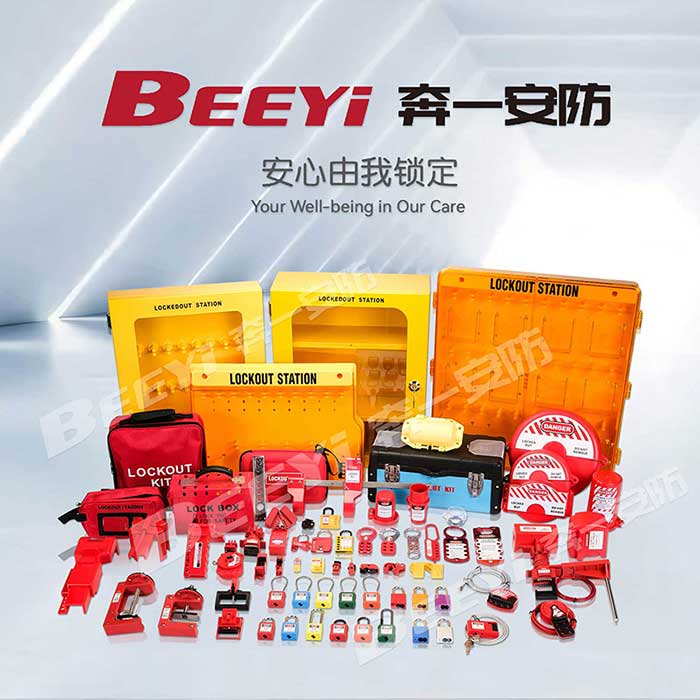
What are Valve Lockout Devices?
Valve lockout devices are specialized tools used to secure valves in a closed position. They are part of a broader safety practice known as "lockout/tagout" (LOTO), which is a procedure used to ensure that dangerous machines are properly shut down and not able to be started up again until maintenance or servicing is completed. When a valve is locked out, it cannot be manipulated until the lock is removed, thus preventing the accidental release of hazardous materials.
These devices come in various designs to accommodate different types of valves, including ball valves, gate valves, and butterfly valves. They are usually constructed from durable materials to withstand a range of environmental conditions and often feature a mechanism for attaching a padlock. Additionally, many valve lockout devices are equipped with sturdy labels or tags to indicate that the valve is locked out, who locked it, and contact information for emergencies.