understanding safety lockout padlocks: a crucial element in workplace safety
Release time:2026-04-05 04:47:39
Safety in the workplace, particularly in environments where heavy machinery and hazardous energy sources are present, is of paramount importance. One of the most effective methods of preventing accidents during maintenance or repair work is the use of safety lockout padlocks. These specialized padlocks play a critical role in the lockout/tagout (LOTO) procedures that safeguard workers from the accidental release of hazardous energy. This article explores the features, applications, and significance of safety lockout padlocks, emphasizing their importance in ensuring workplace safety.
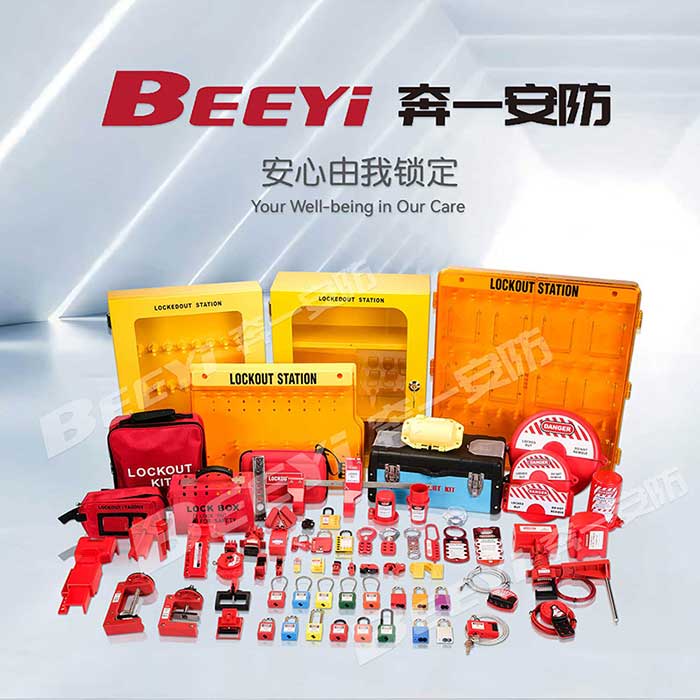
What are Safety Lockout Padlocks?
Safety lockout padlocks are specifically designed to secure energy-isolating devices such as circuit breakers, switches, and valves, ensuring that equipment or machinery cannot be operated while workers are servicing or maintaining it. The main purpose of these locks is to prevent the accidental release of energy—whether electrical, mechanical, hydraulic, pneumatic, or thermal—that could lead to injuries or fatalities.
These padlocks are an essential part of the lockout/tagout (LOTO) program, a safety protocol mandated by organizations like the Occupational Safety and Health Administration (OSHA). The procedure requires that all energy sources are isolated, de-energized, and locked out before maintenance work begins. Safety lockout padlocks are used to physically prevent machinery from being operated during these procedures.