loto locks: ensuring workplace safety through effective lockout/tagout practices
Release time:2026-04-06 02:03:04
In modern industrial and manufacturing environments, workplace safety is of paramount importance. Among the various safety protocols implemented to protect workers, LOTO locks—short for Lockout/Tagout locks—play a critical role. These devices are integral to Lockout/Tagout (LOTO) procedures, which are designed to prevent accidental equipment startup and energy release during maintenance or repair activities. Understanding the function, types, and best practices of LOTO locks is essential for anyone involved in industrial operations or safety management.
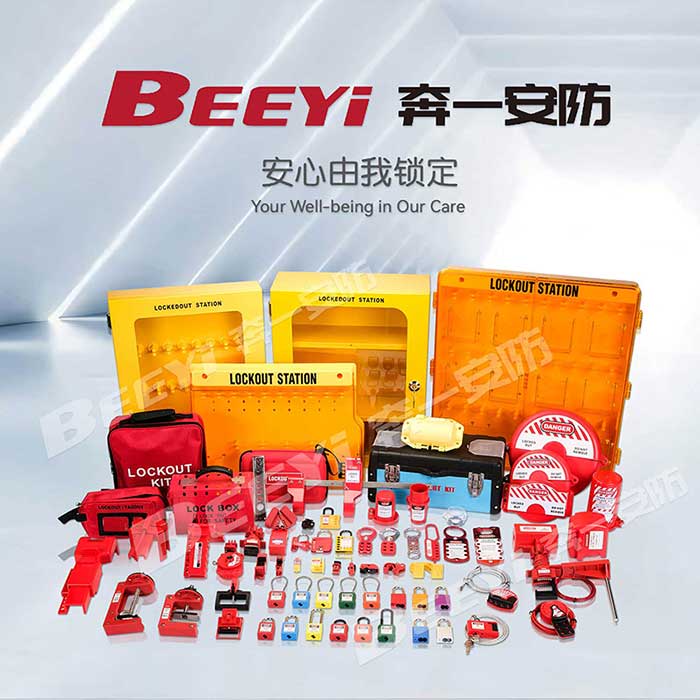
Understanding LOTO Locks
LOTO locks are specialized devices used to secure machinery, electrical circuits, and energy sources in a “safe” or “off” position. They are employed to ensure that equipment cannot be accidentally energized while maintenance personnel are working. The system works by physically locking switches, valves, or circuit breakers in their off positions and attaching tags that clearly communicate the reason for the lockout. This combination of lock and tag provides both a physical barrier and a visual warning to other personnel.
Types of LOTO Locks
There are several types of LOTO locks, each designed to suit specific safety requirements. The most common type is the padlock-style lock, which can be used to secure switches, breaker handles, and valves. These locks are often made of durable materials like steel or reinforced plastic to withstand harsh industrial conditions. For situations where multiple workers need to lock out a single device, multi-lock devices or hasp systems are used, allowing each worker to attach their own personal lock, ensuring individual accountability. Specialized electrical locks also exist for high-voltage equipment, designed to meet stringent safety standards.