the importance of lock out equipment in industrial safety
Release time:2026-04-06 12:03:20
Lockout equipment plays a crucial role in ensuring workplace safety, particularly in industrial settings where maintenance and repair work on machinery and equipment are frequent. The primary function of lockout equipment is to prevent accidental or unintended machine startups during maintenance or servicing, which could lead to serious injuries or fatalities. In this article, we will explore the various types of lockout equipment, their uses, and the significance of adhering to lockout/tagout (LOTO) procedures in industrial environments.
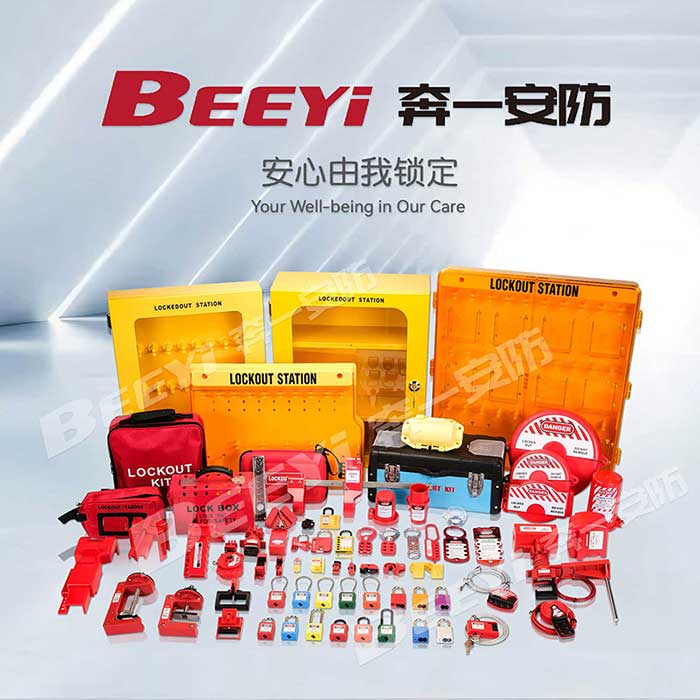
What is Lock Out Equipment?
Lockout equipment refers to a set of tools and devices used to isolate hazardous energy sources from machinery and equipment during maintenance, repair, or service activities. These devices lock or tag key components, such as valves, switches, and circuit breakers, to ensure they cannot be inadvertently turned on or off. The primary goal is to prevent injuries or accidents caused by the sudden release of energy from machinery that is still in operation or not properly shut down.
Lockout equipment is a critical part of the lockout/tagout (LOTO) program, a safety protocol mandated by various workplace safety standards, including the Occupational Safety and Health Administration (OSHA) in the United States. It is part of a broader approach to machine safety, which aims to protect workers from electrical, mechanical, hydraulic, pneumatic, and other forms of hazardous energy.