the importance of lock out equipment in workplace safety
Release time:2026-04-06 20:13:37
Lock out equipment is a vital part of workplace safety, particularly in industries where machinery or electrical systems are actively used and maintained. These tools and devices help prevent the accidental activation of machines during repairs, servicing, or maintenance, ensuring the safety of employees and contractors. This article will explore the types of lock out equipment, its importance in safeguarding workers, and the legal requirements surrounding its use.
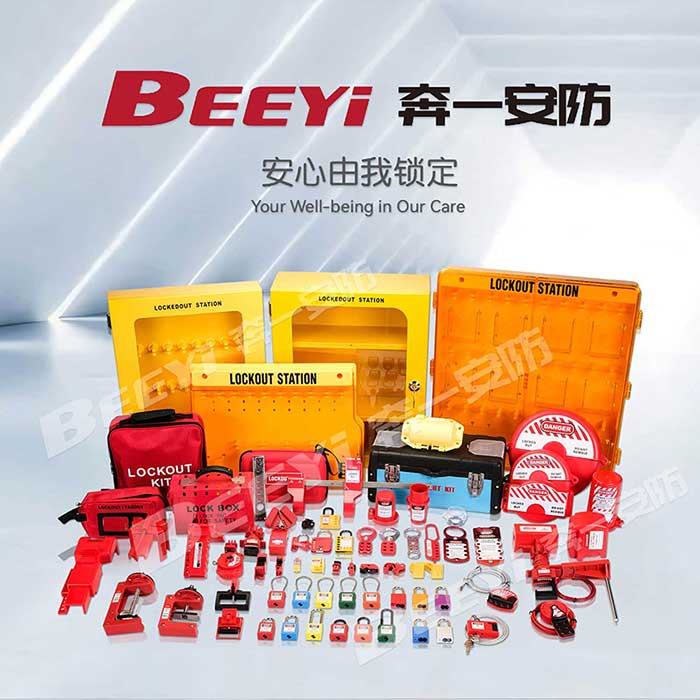
What is Lock Out Equipment?
Lock out equipment refers to devices that are used to isolate energy sources, preventing them from accidentally starting up while maintenance work is being performed. This is typically part of a broader safety system known as Lockout/Tagout (LOTO), which is designed to control hazardous energy during servicing. The equipment itself comes in a variety of forms, such as locks, tags, hasps, and specialized isolators that fit on switches, valves, and electrical panels to ensure the system remains de-energized.
Types of Lock Out Equipment
Lockout Padlocks The most basic form of lock out equipment is the lockout padlock. These are specifically designed to lock switches, valves, or other control devices in a safe position. Each padlock typically has a unique key, ensuring that only authorized personnel can unlock it. This is especially important in environments with multiple workers, as it guarantees no one can accidentally turn the equipment back on while someone else is working.