safety padlock application: enhancing workplace safety through lockout/tagout systems
Release time:2026-04-08 12:46:18
In industries where hazardous machinery and equipment are in operation, ensuring the safety of workers is paramount. Accidents caused by the inadvertent activation of machinery during maintenance or repair operations can lead to serious injuries or fatalities. One of the most effective measures for preventing such incidents is the implementation of Safety Padlock applications within the Lockout/Tagout (LOTO) systems. These devices provide a secure, clear, and reliable way to isolate dangerous equipment, ensuring that only authorized personnel can access or operate it. This article explores the importance and application of Safety Padlocks in industrial environments.
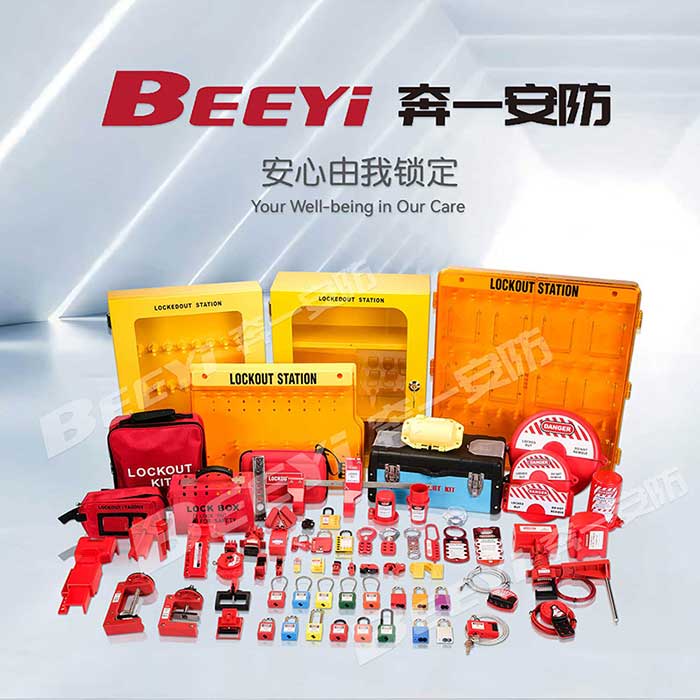
Understanding Lockout/Tagout (LOTO) and the Role of Safety Padlocks The term "Lockout/Tagout" refers to a set of safety procedures used to prevent the unintended release of hazardous energy while employees perform maintenance or repairs. The process typically involves physically locking off equipment, rendering it inoperative, and tagging it with a label that warns others of the ongoing work. The Safety Padlock is a crucial component of this system, serving as the "lockout" device that secures machinery and equipment during maintenance.
Features of Safety Padlocks
Safety Padlocks are designed to provide a high level of security in potentially dangerous environments. They are often made from durable materials, such as nylon, which can withstand harsh conditions. These locks are usually lightweight yet sturdy enough to prevent tampering or unauthorized removal. Additionally, Safety Padlocks come with several unique features that make them effective for industrial applications: