the importance of valve lockout device in industrial safety
Release time:2026-04-10 20:37:58
In industrial environments, ensuring the safety of workers during maintenance or repair operations is paramount. One of the most effective tools for maintaining safety is the Valve Lockout Device, a critical component of the Lockout/Tagout (LOTO) procedure. This device plays an essential role in preventing the accidental release of hazardous energy, such as steam, gas, or chemicals, which can occur if valves are inadvertently opened during maintenance work.
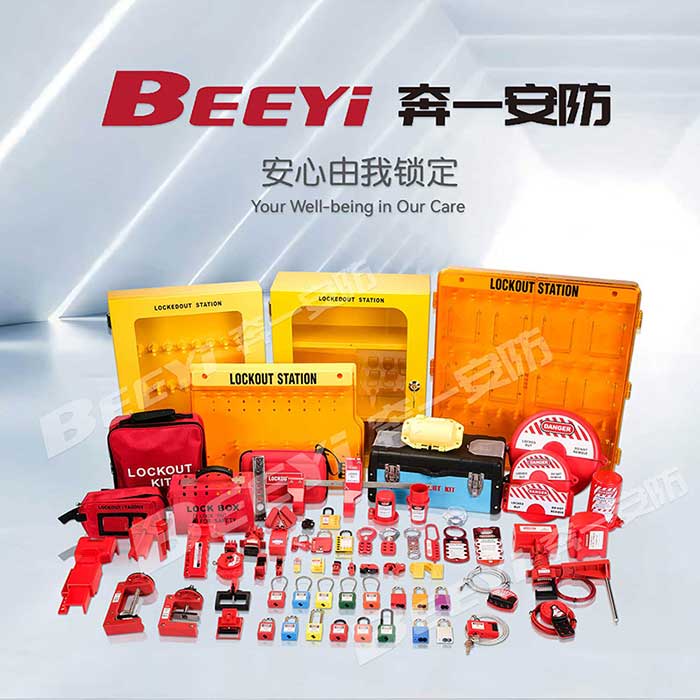
What is a Valve Lockout Device?
A Valve Lockout Device is a safety mechanism used to lock valves in a specific position, typically the "closed" position, to prevent unauthorized or accidental operation. These devices are commonly used in industrial settings where workers must perform maintenance or service tasks on equipment that relies on valves to control the flow of dangerous substances. When applied properly, a valve lockout device ensures that a valve cannot be opened until the maintenance work is completed and the lock is removed.
The device typically consists of a lockout mechanism that attaches securely to a valve’s handle, wheel, or lever. A padlock is then used to secure the device, preventing anyone from tampering with or turning the valve during the maintenance period. The lockout device may also include a label or tag to communicate that the valve is under lockout, warning others not to operate it.