the importance and applications of lock out padlocks in workplace safety
Release time:2026-04-11 07:47:47
Lockout padlocks are an essential component in ensuring the safety of workers across various industries, particularly in environments where machinery or electrical systems are in operation. These specialized locks are designed to prevent the accidental or unauthorized activation of equipment during maintenance or repair, safeguarding employees from potential hazards. In this article, we will explore the importance of lock out padlocks, their key features, and the role they play in enhancing workplace safety.
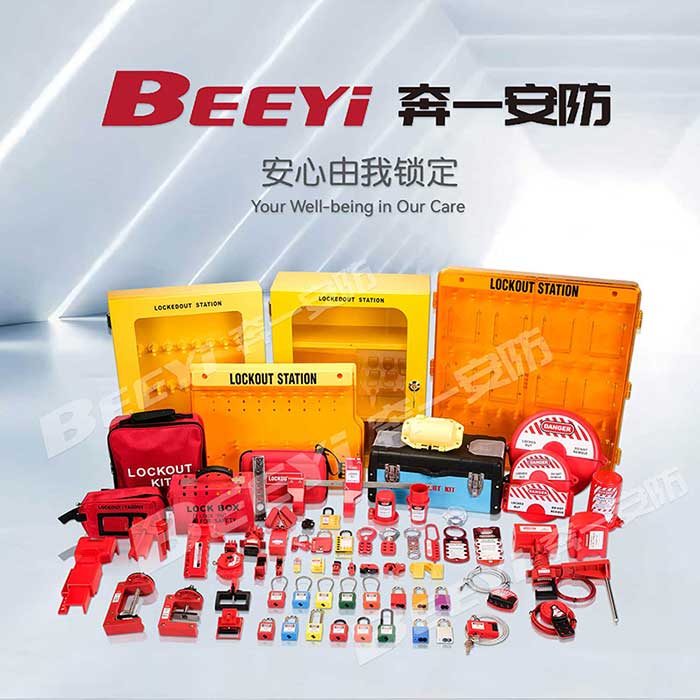
What Are Lock Out Padlocks?
Lock out padlocks, often used as part of a broader lockout/tagout (LOTO) safety procedure, are locks specifically designed to secure machinery or electrical devices while maintenance or servicing is being carried out. Their primary function is to prevent the unintended start-up of equipment, ensuring that workers are protected from potentially dangerous situations. These locks are typically used in combination with tags that provide information about the maintenance or repair being performed, further increasing workplace awareness and accountability.
The lockout/tagout procedure is a standard safety protocol in many industrial settings, especially those that deal with hazardous equipment. The use of lock out padlocks is an integral part of this process, as it prevents the possibility of the equipment being re-energized until the maintenance has been completed and the lock is safely removed by the authorized personnel.