understanding tagout: a critical safety practice in industrial environments
Release time:2026-04-12 04:40:32
Tagout is an essential safety procedure widely used in industrial and maintenance settings to prevent accidents and ensure worker protection. It is part of the broader Lockout/Tagout (LOTO) system, which is designed to control hazardous energy during the servicing and maintenance of machinery. While lockout involves physically securing energy-isolating devices with locks, tagout focuses on the use of warning tags to communicate critical safety information. Together, these practices play a vital role in reducing workplace injuries and maintaining operational safety.
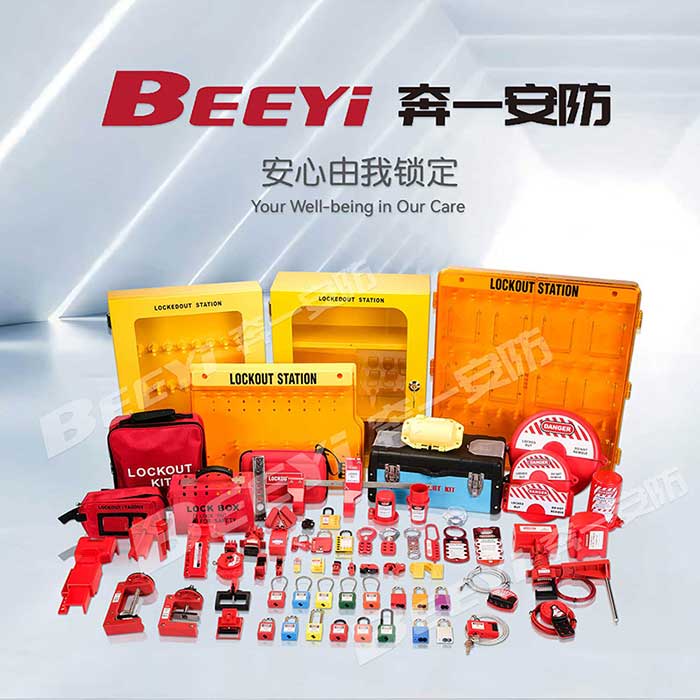
At its core, tagout is a labeling process. When a machine or piece of equipment is undergoing maintenance, a clearly visible tag is attached to the energy-isolating device. This tag typically includes warnings such as “Do Not Operate,” along with details like the name of the authorized worker, the date, and the reason for the shutdown. The purpose is to inform all personnel that the equipment must not be used until the tag is removed by the authorized individual.
One of the main advantages of tagout is its ability to provide clear communication. In busy industrial environments, multiple workers may interact with the same equipment. Without proper warning systems, there is a high risk that someone might unknowingly restart a machine while it is being serviced. Tagout eliminates this risk by acting as a visual and informational barrier, ensuring that everyone is aware of the equipment’s status.