safety lockout tags: a critical tool for workplace safety and hazard prevention
Release time:2026-04-17 03:45:50
In any industrial or maintenance setting, safety is of paramount importance. One critical aspect of ensuring a safe working environment is the proper control of hazardous energy during machine maintenance and repair. Among the various safety tools and protocols, safety lockout tags play a crucial role in preventing accidents and injuries that can occur when equipment is unexpectedly energized or restarted. These tags are a part of the Lockout/Tagout (LOTO) program, which is designed to prevent the accidental release of hazardous energy during maintenance activities. This article explores the importance, functionality, and best practices for using safety lockout tags in the workplace.
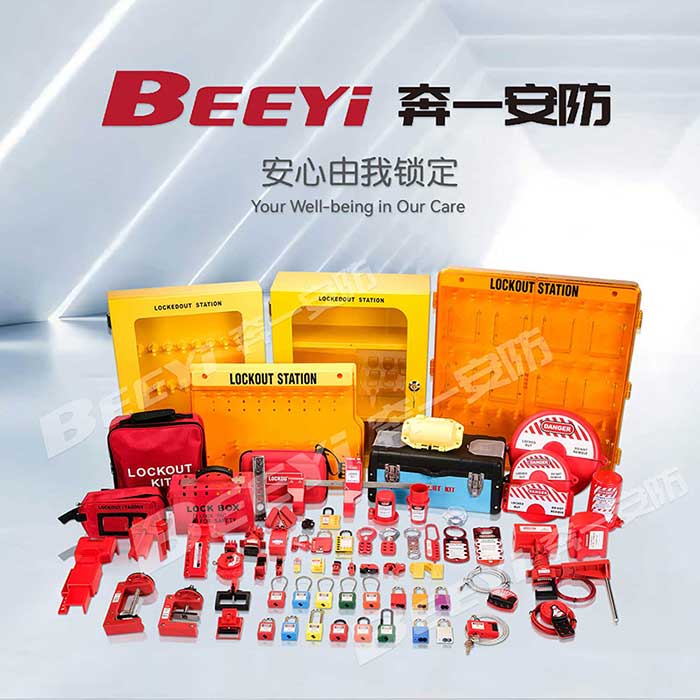
What Are Safety Lockout Tags?
Safety lockout tags are warning devices used to indicate that a particular piece of equipment or machinery has been locked out or is undergoing maintenance. They are attached to energy-isolating devices, such as circuit breakers, valves, or machinery locks, and serve as a visual alert to workers that the equipment should not be operated or energized. Unlike physical locks that prevent equipment from being turned on, lockout tags are a form of tagout, which emphasizes the importance of clear communication through visual labeling.
Typically, these tags are made of durable materials such as high-density plastic or paper that are resistant to chemicals, moisture, and extreme temperatures. The design of a safety lockout tag includes important information such as the identity of the worker who performed the lockout, the date and time of the lockout, and the reason for the lockout, whether it’s for maintenance, repair, or inspection.