the importance of safety padlocks in industrial environments
Release time:2026-04-17 07:36:02
In industrial environments, safety is paramount. The workplace often involves heavy machinery, electrical equipment, and hazardous materials that pose significant risks to workers. One of the most effective tools for ensuring safety and preventing accidents is the safety padlock. This essential safety device is part of broader lockout/tagout (LOTO) procedures, which are designed to control hazardous energy and prevent accidental startup of machinery during maintenance or repair.
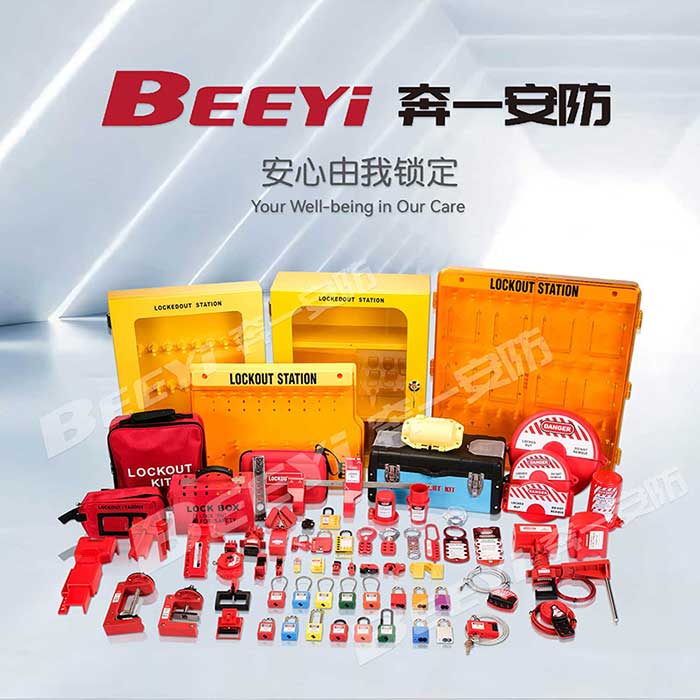
What is a Safety Padlock?
A safety padlock is a type of lock used in industrial settings to secure machinery, equipment, or power sources to prevent unauthorized or accidental operation. These locks are primarily used as part of the lockout/tagout (LOTO) safety protocols, which are mandated by regulatory bodies like the Occupational Safety and Health Administration (OSHA) in the United States. They ensure that equipment remains in a deactivated state during maintenance or when not in use.
Unlike standard padlocks, safety padlocks are designed with unique features to provide extra security and visibility. They are often brightly colored, with red being the most common, to ensure they stand out and alert workers to the presence of a lock. Each lock typically comes with a distinct key to prevent unauthorized access, making them an ideal tool for controlling who can operate machinery or electrical systems.