understanding loto lock: ensuring safety in industrial environments
Release time:2026-04-19 09:33:27
Loto Lock, also known as Lockout/Tagout (LOTO) devices, plays a fundamental role in maintaining safety for workers in industrial and manufacturing settings. These devices are crucial for ensuring that machinery and equipment remain in a safe condition during maintenance and repair work. The LOTO procedure is designed not only to protect the individuals performing maintenance but also to create a culture of safety and responsibility within the workplace. This article will delve into the significance of Loto Lock in industrial safety, its applications, and best practices for implementation.
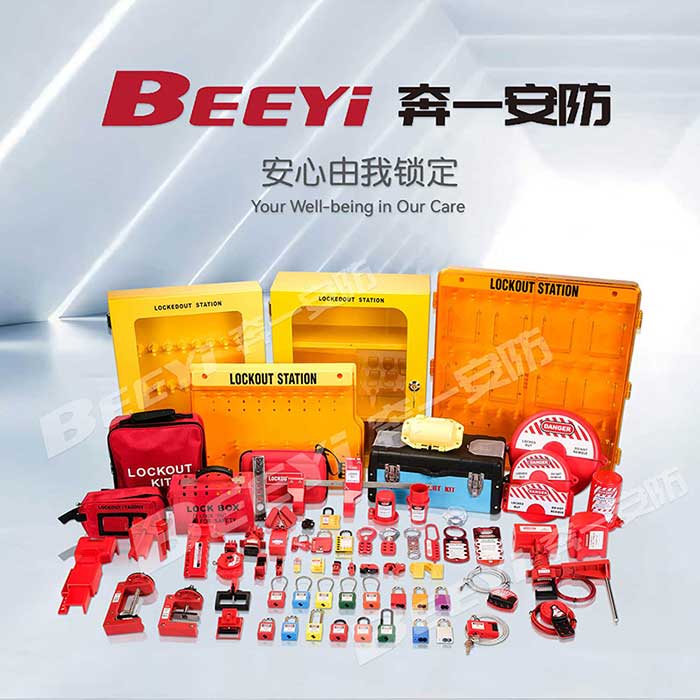
At its core, the Loto Lock system is a safety protocol that prevents the unintended activation of machinery during maintenance. It encompasses a series of steps that ensure that all potential energy sources related to the equipment are controlled and secured. When machines are serviced or repaired, they can pose serious dangers if inadvertently powered on. The Loto Lock method aims to eliminate these risks by ensuring that equipment is completely isolated and unable to start until maintenance is fully completed and safe to resume operations.
Key Features of Loto Lock
One of the primary attributes of a Loto Lock device is its ability to physically secure machinery. These locks often feature durable materials to withstand harsh industrial environments, ensuring longevity and effectiveness. They are designed to fit on different types of energy-isolation points, such as switches, valves, and control panels, providing flexibility in various settings.