understanding lock tags: key concepts and applications
Release time:2026-04-20 07:02:23
Lock tags, though a simple term, have widespread applications across various domains, from programming and data security to industrial automation and the internet of things (IoT). In this article, we will explore the concept of lock tags, their purpose, and how they are used in different fields.
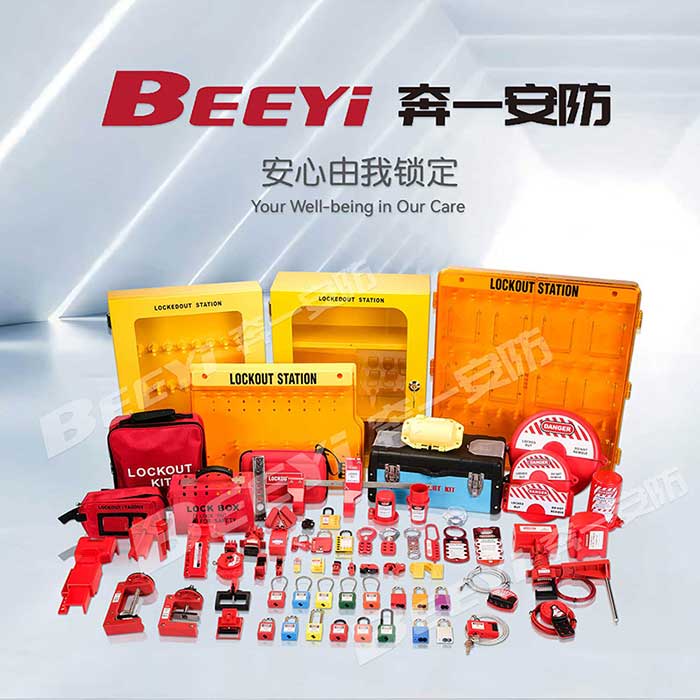
What Are Lock Tags?
At its core, a lock tag is a form of identification or a digital marker used to restrict or control access to a resource or entity. The primary function of a lock tag is to “lock” or restrict an operation or resource until certain conditions are met, ensuring that operations are not performed concurrently or improperly. Lock tags are commonly used in fields where resource management, synchronization, and security are crucial.
Lock Tags in Programming and Software Development
In software development, lock tags are often associated with multi-threaded programming and resource management. When multiple threads are trying to access a shared resource, such as a database, file, or memory location, a lock is implemented to prevent conflicts and data corruption. A lock tag in this context refers to a marker used by a thread to indicate that a resource is in use and should not be accessed by other threads until the lock is released.