understanding loto safety: a critical step in workplace hazard prevention
Release time:2026-04-21 18:08:43
LOTO Safety, short for Lockout/Tagout Safety, is a crucial protocol designed to protect workers from the dangers of unexpected machine start-ups or the release of hazardous energy during maintenance or repair activities. In industrial environments, where workers are frequently exposed to machines with high electrical, mechanical, hydraulic, or thermal energy, ensuring their safety through proper LOTO procedures is essential. The aim of LOTO is simple yet vital: to prevent injury or death by ensuring that equipment is fully de-energized and cannot be started inadvertently while maintenance activities are ongoing.
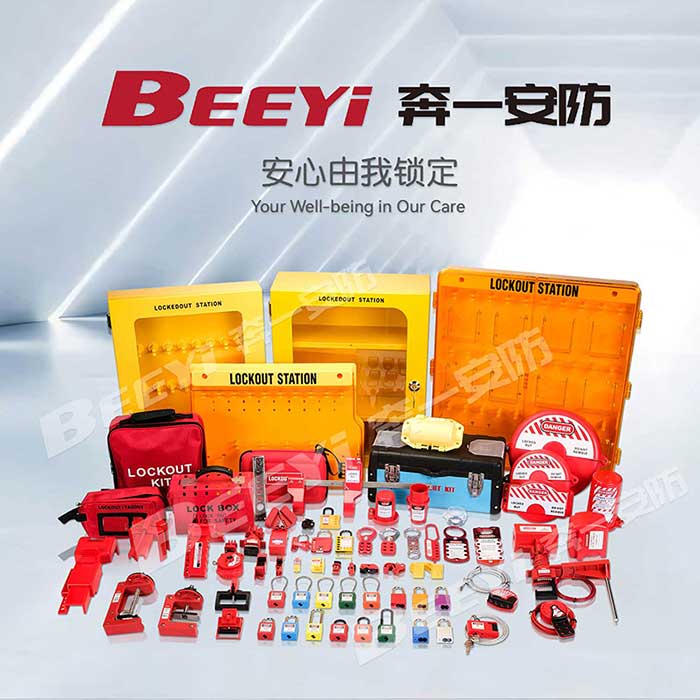
What is LOTO Safety?
The Lockout/Tagout procedure involves two main actions: locking out and tagging out. Locking out refers to physically securing the energy-isolating device of machinery or equipment using a lock, which prevents the equipment from being energized. Tagging out involves attaching a warning tag to the device, indicating that maintenance or repair work is in progress and that the equipment must not be operated. Together, these actions ensure that no one can start the machine while workers are performing their tasks, effectively minimizing the risk of accidents.
The LOTO procedure is most commonly used in industries like manufacturing, energy, and construction, where workers are regularly tasked with servicing complex machinery. Without a reliable safety protocol like LOTO, there is a significant risk that machinery could be inadvertently powered on, leading to serious injuries, even fatalities.