the importance of lock out tags in workplace safety
Release time:2026-04-22 04:26:10
Lock out tags, an essential part of safety protocols in various industries, play a crucial role in protecting workers from hazardous machinery and equipment during maintenance or repair procedures. The practice of lockout/tagout (LOTO) ensures that workers are shielded from potential injuries caused by the unexpected release of energy or machinery startup while they are working on the equipment. In this article, we will explore the significance of lockout tags, how they function, and the broader implications for workplace safety.
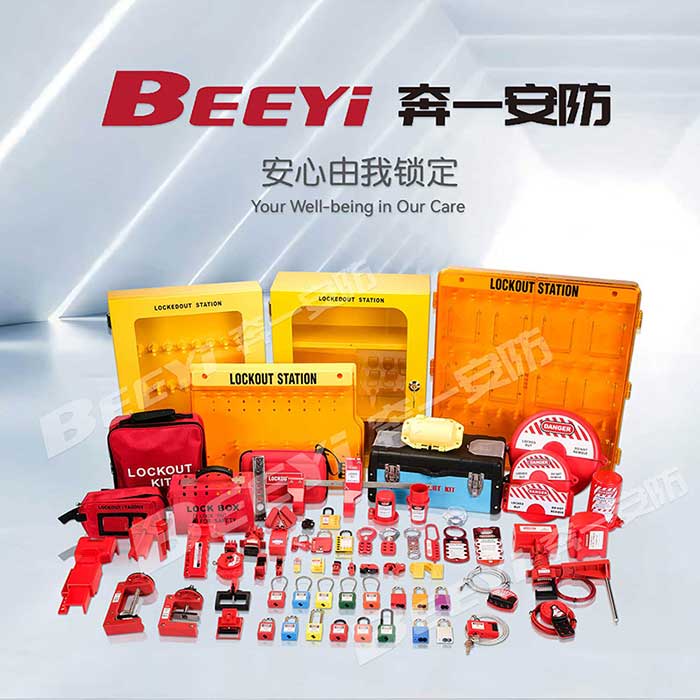
What are Lock Out Tags?
Lockout tags are warning labels or tags used in conjunction with lockout devices to indicate that machinery or equipment is in a de-energized or shut-off state and is not to be operated. These tags are often bright, noticeable, and contain vital information, such as the name of the person performing the maintenance, the time of the lockout, and the reason for the work being carried out. The tags serve as a visual reminder that the equipment is off-limits until the work is completed and safety conditions are restored.
Why Lock Out Tags Are Critical for Safety
The primary reason lockout tags are used is to prevent accidental startup or the release of hazardous energy while maintenance or repair work is being performed. Machinery, especially in industrial settings, can harbor significant risks, including electrical, mechanical, chemical, and thermal hazards. Without proper lockout procedures, workers can be exposed to these dangers. For instance, if someone inadvertently starts a machine that another worker is repairing, it could lead to severe injuries or fatalities. Lockout tags are designed to eliminate such risks by ensuring that only authorized personnel can operate the equipment and that no one can reactivate it during critical maintenance activities.