understanding lockout safety padlocks: essential tools for workplace safety
Release time:2026-04-22 09:38:26
Lockout safety padlocks are indispensable tools in industrial and workplace safety protocols, designed to protect workers from the dangers of unexpected machine startups, electrical shocks, and hazardous energy releases during maintenance or repair tasks. As part of the Lockout/Tagout (LOTO) safety procedure, these padlocks ensure that hazardous energy sources are properly isolated and equipment cannot be accidentally operated until the necessary safety checks are complete. In this article, we will explore the significance of lockout safety padlocks, their essential features, and best practices for their use.
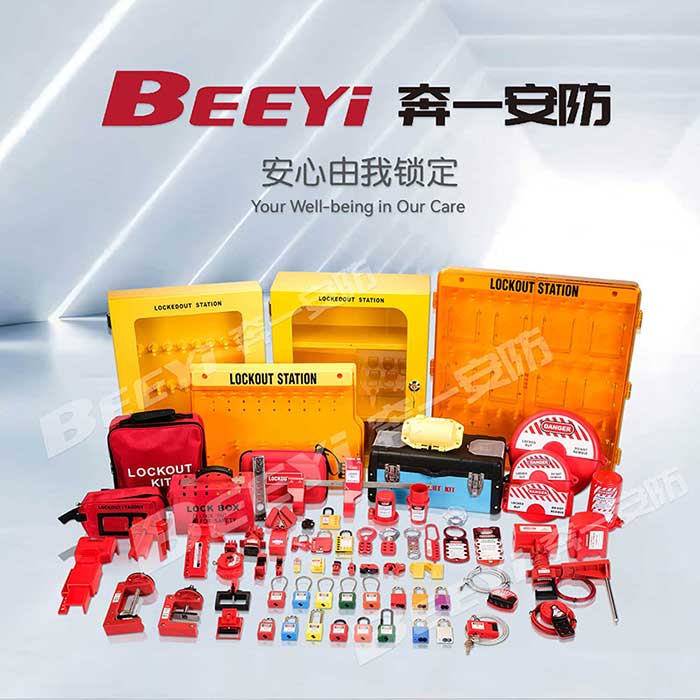
What Are Lockout Safety Padlocks?
Lockout safety padlocks are specialized locks used to secure energy-isolating devices, such as electrical switches, valves, or circuit breakers, during maintenance work. The primary purpose of these padlocks is to prevent the unintentional release of hazardous energy, which could cause serious injury or even fatal accidents. When a worker locks out equipment, they are ensuring that no one else can access or operate that equipment until the lock is removed by the authorized personnel.
The use of lockout safety padlocks is governed by the Occupational Safety and Health Administration (OSHA) standards, which require employers to implement effective lockout/tagout programs to safeguard workers. These programs typically require the use of lockout devices, including padlocks, tags, and other safety equipment, to prevent accidents related to energy control during service or maintenance work.