pneumatic lockouts: enhancing safety and control in industrial air systems
Release time:2026-04-22 12:48:11
In modern industrial environments, safety is not merely a regulatory requirement but a fundamental responsibility. Among the various safety mechanisms employed across industries, pneumatic lockouts play a crucial role in protecting workers and ensuring operational integrity. As industries increasingly rely on compressed air systems to power tools, machinery, and automated processes, the importance of effectively controlling these systems during maintenance cannot be overstated.
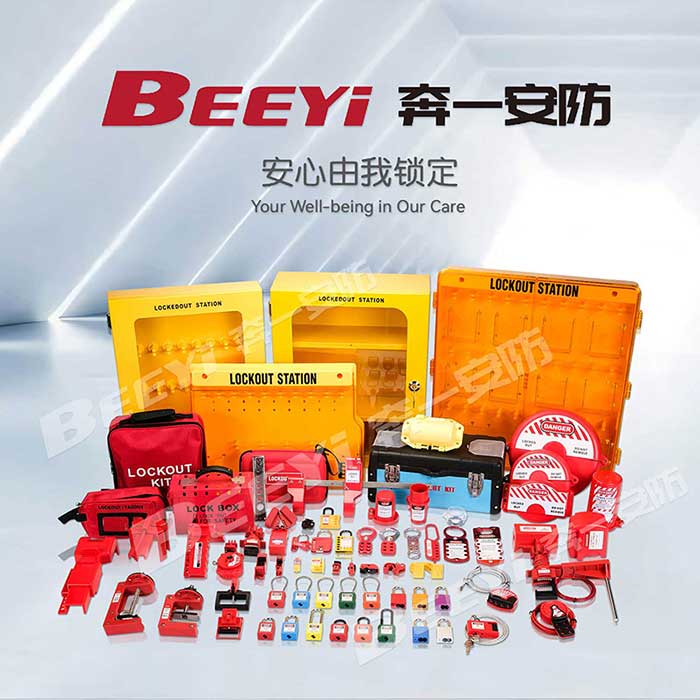
Pneumatic lockouts are specialized devices designed to isolate and disable compressed air sources. By physically preventing the flow of air through valves or disconnect points, these lockout devices ensure that machinery cannot be accidentally energized. This is particularly important during servicing, repairs, or inspections, where unexpected activation could lead to serious injuries or even fatalities.
One of the key advantages of pneumatic lockouts lies in their simplicity and effectiveness. Unlike complex electronic safety systems, pneumatic lockouts are mechanical in nature, making them highly reliable and less prone to failure. They are typically installed on air hose connections, valve handles, or quick-disconnect fittings. Once applied, a lock—often accompanied by a tag indicating maintenance in progress—secures the device in place, preventing unauthorized removal.