lockout hasps application: ensuring safety and compliance in industrial environments
Release time:2026-04-23 05:33:52
Lockout Hasps are essential safety devices used in industrial settings to prevent the accidental startup of machinery and equipment during maintenance or repair. These devices play a crucial role in protecting workers from serious injuries or fatalities caused by unintended machine operation. By securing energy sources, Lockout Hasps contribute to a safer working environment, helping businesses comply with safety regulations and minimize workplace accidents. This article explores the various applications and benefits of Lockout Hasps in industrial settings, highlighting their significance in maintaining operational safety and compliance.
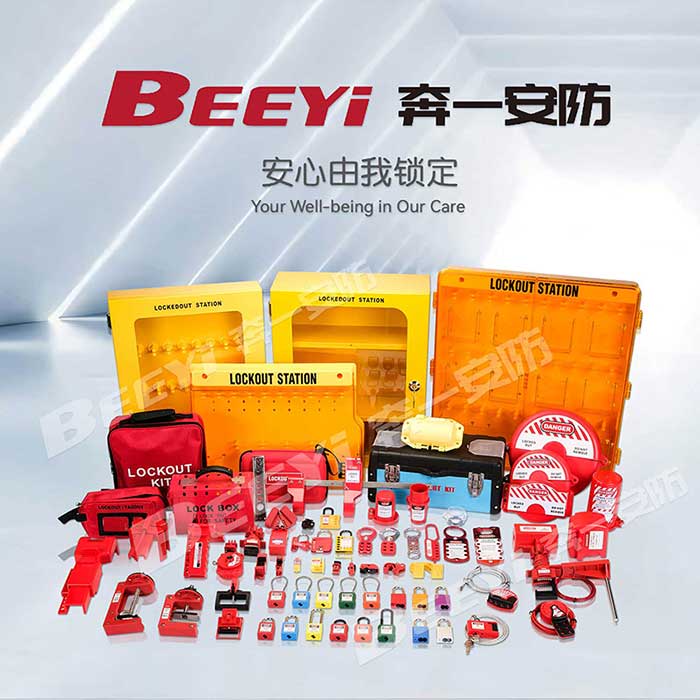
The Importance of Lockout/Tagout (LOTO) Programs
Lockout/Tagout (LOTO) programs are safety protocols designed to protect workers from the dangers of hazardous energy during maintenance or servicing activities. Hazardous energy includes electrical, mechanical, hydraulic, and thermal energy, all of which can be unexpectedly released if not properly controlled. Lockout Hasps are a key component of these programs, ensuring that energy sources are securely locked out before work begins.
A Lockout Hasp is typically a steel or aluminum device that can accommodate multiple locks, allowing each worker to secure their own lock on a piece of equipment or machinery. This prevents unauthorized operation by other workers and ensures that the equipment remains de-energized until all work has been completed and it is safe to restart.