understanding lock out padlocks: a critical element of workplace safety
Release time:2026-04-24 04:37:01
In the realm of workplace safety, particularly in industrial and manufacturing environments, the importance of lock out padlocks cannot be overstated. These devices are crucial in implementing lockout/tagout (LOTO) procedures, which are designed to prevent the accidental energization of machines during maintenance and repair. In this article, we will explore the functions, types, materials, and the critical role lock out padlocks play in ensuring safety, compliance with regulations, and protecting workers.
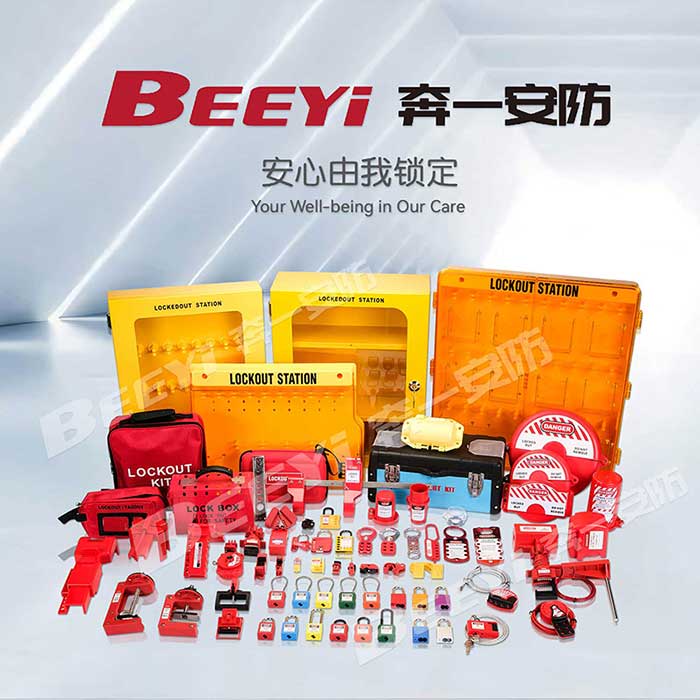
The Function of Lock Out Padlocks
Lock out padlocks are specialized locks used to secure the power source of machines and devices during maintenance or repair. This prevents unauthorized personnel from turning on or operating equipment that might pose a danger to those working on it. The fundamental purpose of these padlocks is to protect workers from unexpected energization or release of hazardous energy, ensuring they can conduct their tasks safely.
When a technician or maintenance worker needs to service equipment, they follow a series of steps to ensure safety. This typically involves identifying the energy sources connected to the machinery, isolating or shutting them off, and then applying the lock out padlocks to the energy control devices. This locks the system in a state where it cannot operate, thereby mitigating the risk of accidents caused by unexpected equipment activation.