understanding equipment lockout tags: essential safety measures in the workplace
Release time:2026-04-24 16:32:48
In various industrial and manufacturing environments, equipment lockout tags have become a critical component of safety protocols. These tags serve a pivotal role in ensuring that machinery and electrical systems are properly de-activated during maintenance or repair work, safeguarding employees from potential hazards associated with unexpected equipment startup. This article will delve into the importance, implementation, regulations, and best practices surrounding equipment lockout tags, emphasizing their essential role in promoting workplace safety.
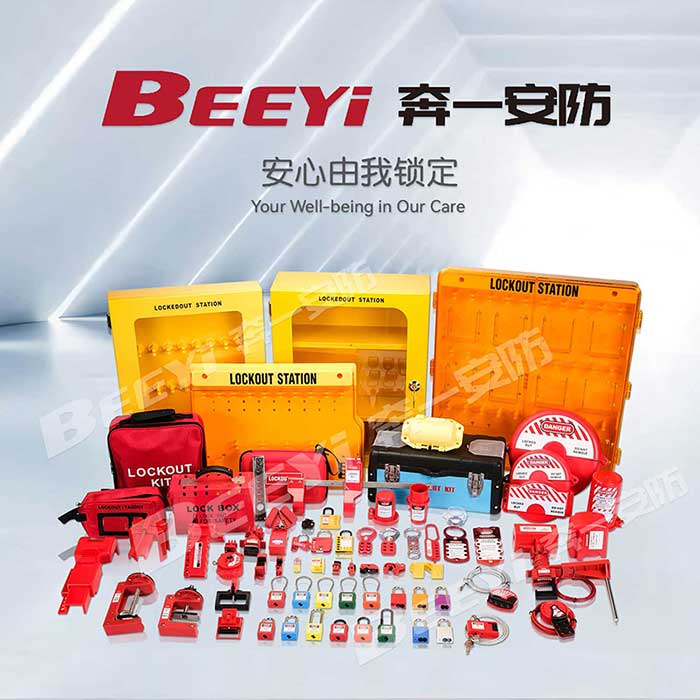
At the heart of the equipment lockout/tagout (LOTO) procedure is the principle of ensuring that any machinery undergoing maintenance is completely isolated from its energy source. The lockout process involves using physical locks to secure energy-isolation devices, while tags provide clear warnings about who locked the equipment, when it was locked, and why it is locked out. This dual system ensures that all personnel in the vicinity are aware that any ongoing maintenance work is taking place, reducing the risk of accidental equipment activation.
Importance of Equipment Lockout Tags
The implementation of equipment lockout tags is not merely a procedural formality; it is a life-saving measure. According to studies by occupational safety organizations, nearly 10% of all workplace fatalities are linked to incidents involving machinery and equipment. By using lockout tags, employers significantly mitigate risks such as electrical shocks, moving parts injuries, and other potential accidents caused by the unintended operation of equipment. This is especially critical in environments where workers may need to access hazardous components or high-voltage areas.