pneumatic lockouts technical support: ensuring safety in compressed air systems**
Release time:2026-04-26 07:54:53
In industrial settings where pneumatic systems are employed, ensuring safety during maintenance and servicing is paramount. Pneumatic lockouts play a crucial role in safeguarding workers from accidental releases of compressed air, which could lead to serious injuries or even fatalities. These devices are integral components of the lockout/tagout (LOTO) procedure, designed to isolate energy sources and prevent unintentional equipment startup. In this article, we explore the significance of pneumatic lockouts, how technical support for these devices ensures their proper functioning, and the benefits of choosing the right products for your pneumatic systems.
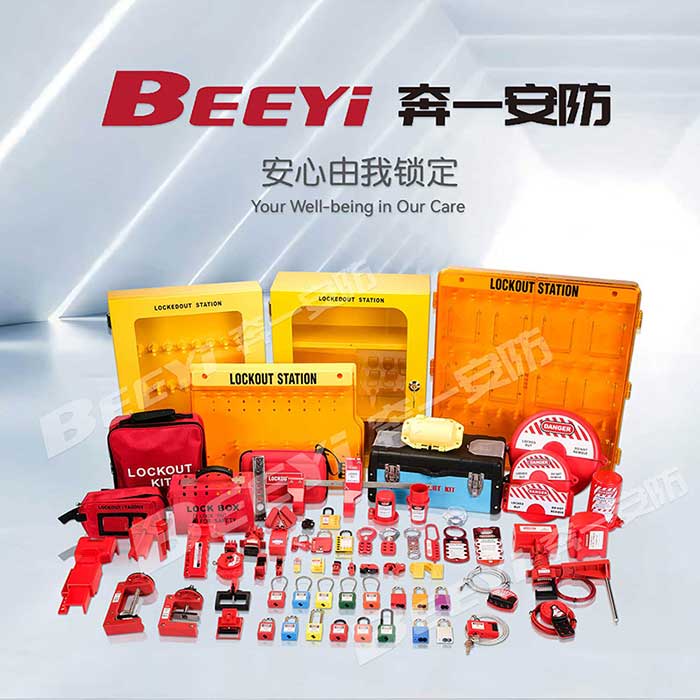
What Are Pneumatic Lockouts?
Pneumatic lockouts are specialized safety devices used to control the flow of compressed air in pneumatic systems during maintenance, repair, or servicing activities. By physically blocking or isolating the valves that control air flow, pneumatic lockouts prevent the unintended release of compressed air and ensure the system is de-energized before workers perform any work. These devices are essential in preventing hazardous situations where sudden pressurization could cause machinery movement, flying debris, or other dangerous consequences.
The primary role of pneumatic lockouts is to provide a visual and mechanical deterrent to prevent operators from unknowingly interacting with a pressurized system. This is achieved by using a locking mechanism that secures the valve in a closed position, which can only be released by authorized personnel. The application of pneumatic lockouts is a vital component in adhering to workplace safety regulations such as OSHA's lockout/tagout standards, which aim to protect workers from energy-related hazards.