pneumatic lockouts technical support: ensuring safety and compliance in industrial environments
Release time:2026-04-27 01:18:52
In industrial environments where pneumatic systems are critical for operations, safety is a primary concern. Pneumatic systems, which use compressed air or gas to power tools, machinery, and processes, are essential in many industries. However, they can also pose significant risks if not properly managed during maintenance or service work. One of the most effective safety measures is the use of pneumatic lockout devices, which isolate the system to prevent accidental activation. To ensure these devices are installed, maintained, and used correctly, technical support plays a crucial role. This article explores the importance of pneumatic lockouts technical support and how it contributes to a safer and more compliant workplace.
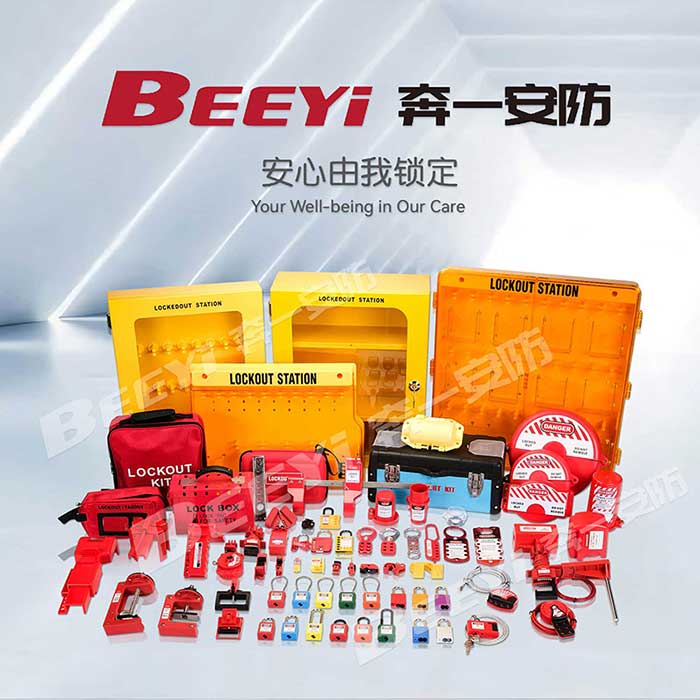
What are Pneumatic Lockouts?
Pneumatic lockouts are mechanical devices designed to isolate pneumatic systems from their power source, such as compressed air lines, to prevent them from being unintentionally activated during maintenance, repair, or service work. These devices are part of the broader lockout/tagout (LOTO) safety program, which is designed to protect workers by ensuring hazardous energy sources are de-energized before they work on machinery or equipment.
The main goal of pneumatic lockouts is to prevent workers from coming into contact with moving parts or pressurized components that could cause serious injuries. Pneumatic lockouts can vary in design, from simple valve locks that prevent airflow to more complex devices that isolate entire pneumatic systems.