understanding lockout: ensuring safety and security in various fields
Release time:2026-04-27 22:23:16
Lockout is a crucial concept that spans across various industries and domains, ensuring safety, security, and operational integrity. It primarily refers to the practice of restricting access to certain equipment, facilities, or systems to prevent accidents, unauthorized usage, or disruptions. This article will delve into the different contexts in which lockout is essential, the procedures involved, and its significance in promoting safety and security.
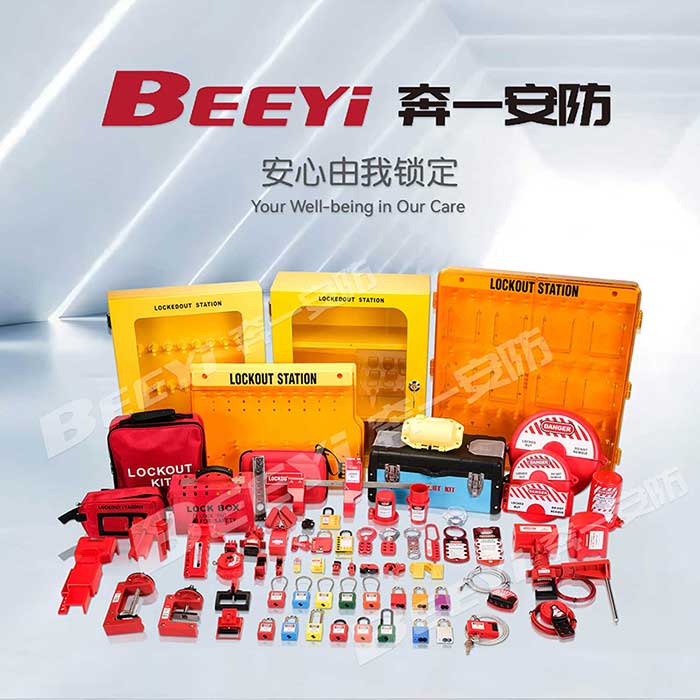
In the realm of industrial safety, lockout and its companion practice, tagout, are fundamental to ensuring the well-being of workers. The Lockout/Tagout (LOTO) procedure is designed to prevent the accidental activation of machinery and equipment during maintenance, repair, or cleaning operations. This process typically involves the use of locks and tags to secure energy-isolating devices, ensuring that machinery cannot be inadvertently started. The Occupational Safety and Health Administration (OSHA) emphasizes the importance of proper LOTO practices, as they help to safeguard employees from the hazards associated with unexpected machine operation.