the essential role of safety padlocks in workplace safety
Release time:2026-04-27 23:28:30
In any industrial setting, safety is paramount. One of the most effective ways to ensure the protection of workers during maintenance and repair tasks is the use of safety padlocks. These simple yet crucial devices play an integral role in lockout/tagout (LOTO) procedures, ensuring that machinery and equipment remain inoperable while workers are performing their tasks. This article will explore the importance of safety padlocks, their features, and how they contribute to a safer work environment.
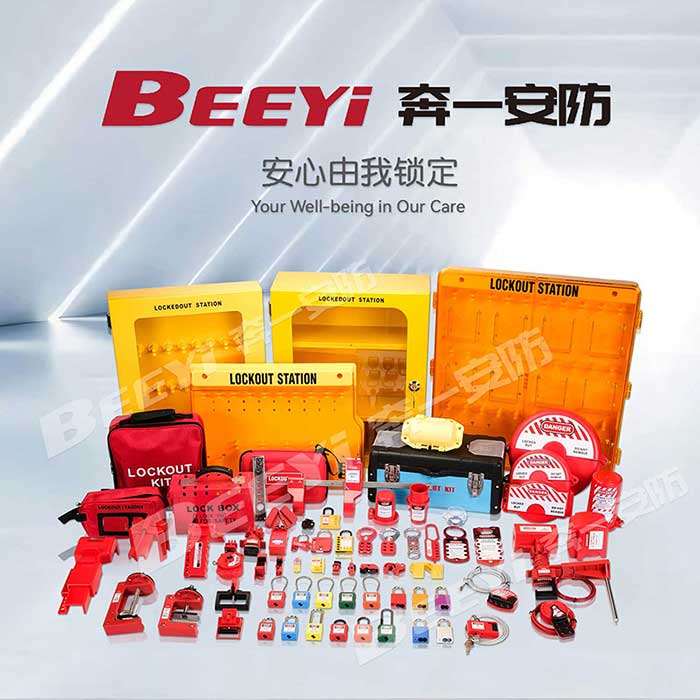
What is a Safety Padlock?
A safety padlock is a specially designed lock used to secure machines, equipment, or energy sources during maintenance or repair work. Its primary purpose is to prevent accidental or unauthorized activation of machinery, which could lead to serious injury or even death. Safety padlocks are a vital part of the lockout/tagout procedure, a safety protocol that aims to protect workers by isolating hazardous energy sources before maintenance activities commence.
The Importance of Safety Padlocks in Lockout/Tagout Procedures
The lockout/tagout procedure is a regulatory requirement in many countries, including the United States, where it is governed by the Occupational Safety and Health Administration (OSHA). The procedure requires that machines and equipment be properly shut down, and all energy sources be isolated before workers can perform maintenance or repair tasks. Safety padlocks are the cornerstone of this procedure, ensuring that machines cannot be started or operated while maintenance is underway.