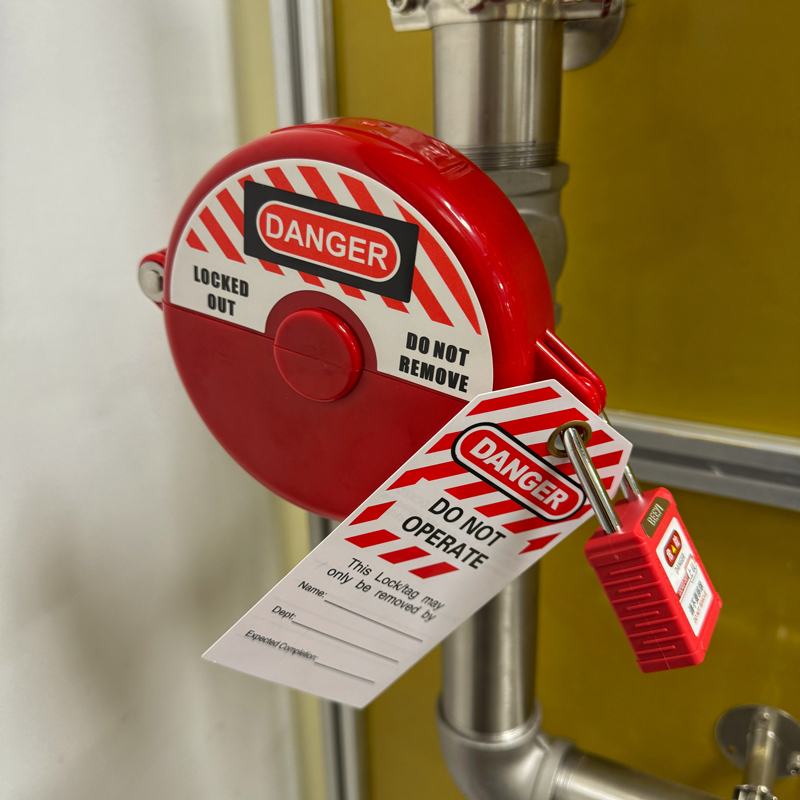

Every year, dangerous incidents occur during routine maintenance work often ,because energy sources are not properly shut off. These accidents can lead to unexpected employee injuries, production downtime, or even worse. That’s why LOTO plays a vital role in business operations.
If you want to know what LOTO stands for, the answer is “Lockout/Tagout”—a critical safety procedure designed to protect workers from the accidental startup of machinery or equipment. Despite its importance, many workplaces still treat LOTO as a normal check process rather than a life-saving measure.
Lockout/Tagout is a safety procedure used to ensure that machines are properly shut down and cannot be restarted during maintenance or repair work. The term may sound simple, but it represents a systematic approach to controlling hazardous energy and preventing serious injuries.
Lockout refers to the practice of physically securing an energy-isolating device (such as a switch, valve, or circuit breaker) in the “off” or safe position. This prevents anyone from accidentally re-energizing the equipment.
Tagout refers to attaching a clearly visible tag to the locked-out device, warning others not to operate the machine. The tag typically includes information such as who applied the lockout and the reason for it.
Both elements are important. The lock provides a physical barrier, while the tag conveys critical information. In some cases where a lock cannot be applied, tagout may be used alone—but this is considered less safe.
The concept of LOTO originates from regulations established by the U.S. Occupational Safety and Health Administration (OSHA), specifically 29 CFR 1910.147. These regulations address the dangers associated with the unexpected release of stored energy, including electrical, mechanical, hydraulic, pneumatic, thermal, or chemical energy. After hearing our explanation, we believe you now have a clearer understanding of LOTO.