understanding lock out tag out tags: a key to workplace safety
Release time:2026-01-01 13:08:42
Lockout/Tagout (LOTO) is a critical safety procedure designed to prevent accidents and injuries during the maintenance or servicing of equipment in industries where machinery and energy sources are a part of daily operations. At the core of this safety practice are Lock Out Tag Out Tags, a combination of physical locks and warning labels used to secure and identify equipment that is out of operation. By understanding the function and importance of these tags, businesses can enhance worker safety, ensure regulatory compliance, and minimize the risk of accidents.
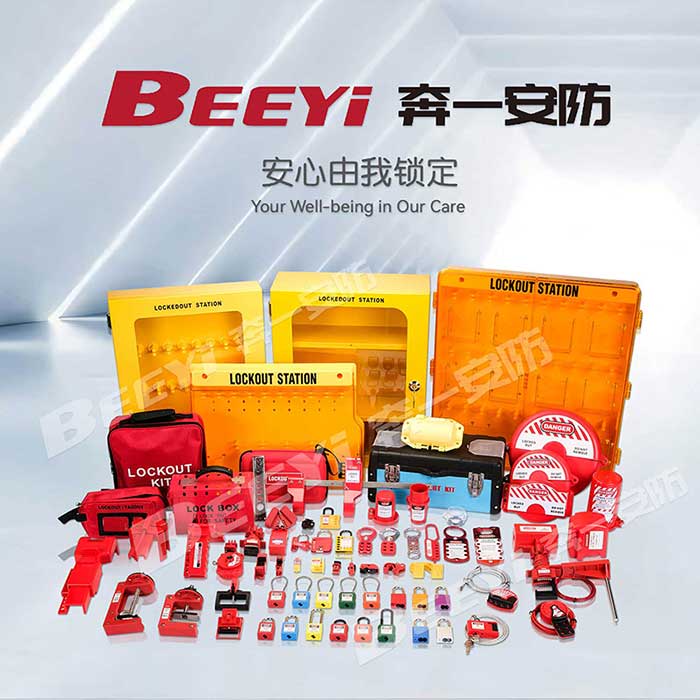
What is Lockout/Tagout?
Lockout/Tagout (LOTO) refers to a set of safety protocols used to isolate hazardous energy sources from equipment during maintenance activities. The goal is to prevent the accidental release of energy—whether electrical, mechanical, hydraulic, or pneumatic—that could harm workers. The LOTO procedure includes two key elements: the lockout, which physically isolates the energy source, and the tagout, which serves as a visual warning to indicate that the equipment is not to be operated.
The Role of Lock Out Tag Out Tags
At the heart of LOTO is the use of Lock Out Tag Out Tags, which serve as a dual-layer safety mechanism. These tags are affixed to the energy-isolating devices of machinery, such as circuit breakers, valves, and switches, once the lockout procedure has been initiated.