understanding safety lockout tagout: ensuring workplace safety through effective procedures
Release time:2026-01-01 13:14:42
In industrial and manufacturing environments, the safety of workers is paramount. One critical safety protocol that has been established to protect employees during maintenance and servicing of machinery is the Lockout/Tagout (LOTO) procedure. This set of safety practices is designed to prevent the accidental release of hazardous energy during maintenance activities. Understanding the importance of LOTO, its procedures, and its implementation is essential for creating a safe workplace.
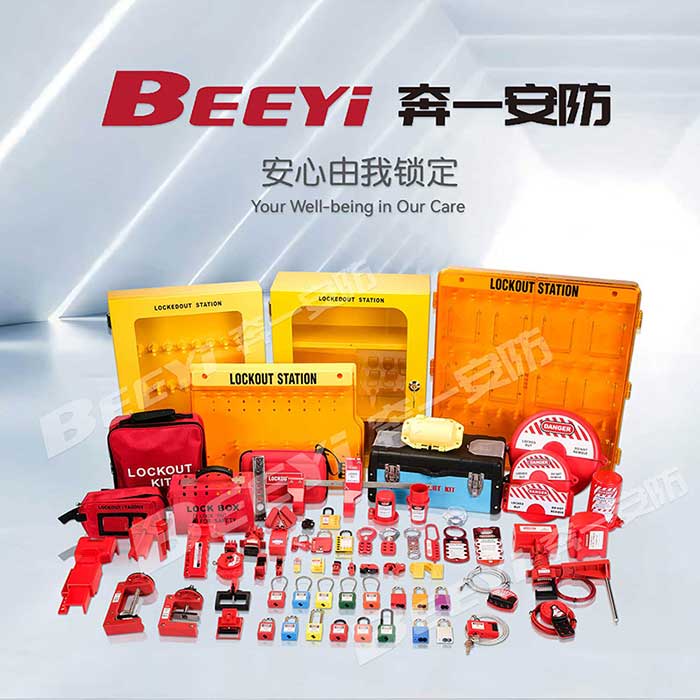
What is Lockout/Tagout?
Lockout/Tagout refers to the specific practices and procedures used to protect workers from the unexpected energization or startup of machinery and equipment, as well as the release of hazardous energy during service or maintenance activities. The main components of LOTO include the use of locks to secure energy-isolating devices and tags to inform personnel that a machine is not to be operated until maintenance is completed.
Importance of Lockout/Tagout
The implementation of LOTO procedures is crucial for several reasons:
Protection of Workers: The primary goal of LOTO is to ensure the safety of workers who are engaging in maintenance or repair activities. By isolating energy sources, the risk of accidental machine operation is greatly minimized, thus protecting workers from potential injuries, which can range from minor cuts and bruises to severe injuries or fatalities.