understanding loto locks: ensuring safety in the workplace
Release time:2026-04-26 15:15:30
In industrial settings, safety is paramount. Among the various safety protocols and systems in place, Lockout/Tagout (LOTO) procedures play a crucial role in protecting workers from the dangers posed by unexpected machinery start-up and the release of hazardous energy. At the heart of these procedures are LOTO locks, which serve as a vital tool in ensuring that machinery remains inoperative during maintenance or servicing. This article will delve into the significance of LOTO locks, their components, proper usage, and the regulatory framework surrounding them.
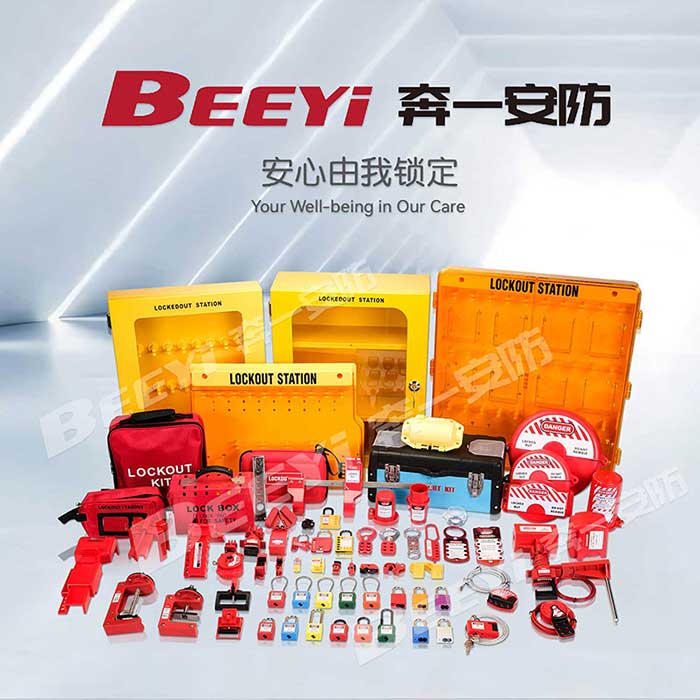
What Are LOTO Locks?
LOTO locks are specialized locks designed to secure the energy-isolating devices of machines or equipment during maintenance work. These locks prevent unauthorized operation, ensuring that only qualified personnel can access the machinery during a servicing process. LOTO locks are often brightly colored and easily identifiable, signaling that a machine is undergoing maintenance and should not be operated.
Importance of LOTO Locks
The primary purpose of LOTO locks is to protect workers from hazardous situations. Unexpected machine start-ups can lead to severe injuries or fatalities, especially in environments where heavy machinery or electrical devices operate. By implementing a LOTO system, organizations create a safer work environment, significantly reducing the risk of accidents. Furthermore, LOTO practices not only safeguard employees but also help companies comply with safety regulations, thus avoiding costly fines and legal liabilities.