pneumatic lockouts technical support: ensuring safety in compressed air systems
Release time:2026-04-26 15:17:03
Pneumatic lockouts are vital components used in industrial settings to ensure safety during maintenance and repair operations involving compressed air systems. These lockout devices prevent the accidental release of pressurized air, thereby safeguarding workers from the risks associated with unexpected equipment activation. As businesses prioritize workplace safety, pneumatic lockouts have become indispensable tools in compliance with safety regulations and best practices. To maximize the effectiveness and longevity of these safety devices, reliable technical support is essential. This article explores the importance of pneumatic lockouts and the role of technical support in their installation, operation, maintenance, and troubleshooting.
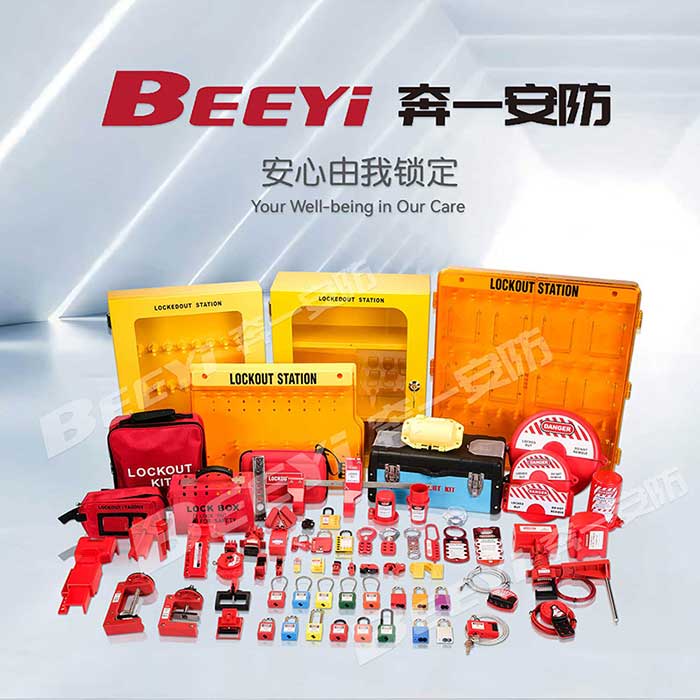
The Importance of Pneumatic Lockouts
In industries where pneumatic systems play a crucial role, such as manufacturing, construction, and maintenance, ensuring the proper management of compressed air systems is paramount. Pneumatic lockouts are safety mechanisms that prevent accidental activation of machinery during maintenance or repair tasks. By locking the air supply to equipment, these devices eliminate the possibility of unintended air flow, which can lead to dangerous situations for workers.
Pneumatic lockouts are designed to be simple yet effective. They typically consist of a valve that can be manually locked in place to restrict air flow. In many cases, these devices can be locked with a padlock or a specialized locking mechanism to prevent unauthorized operation. Depending on the system, some pneumatic lockouts may also feature visual indicators to show whether the equipment is locked or safe to operate.